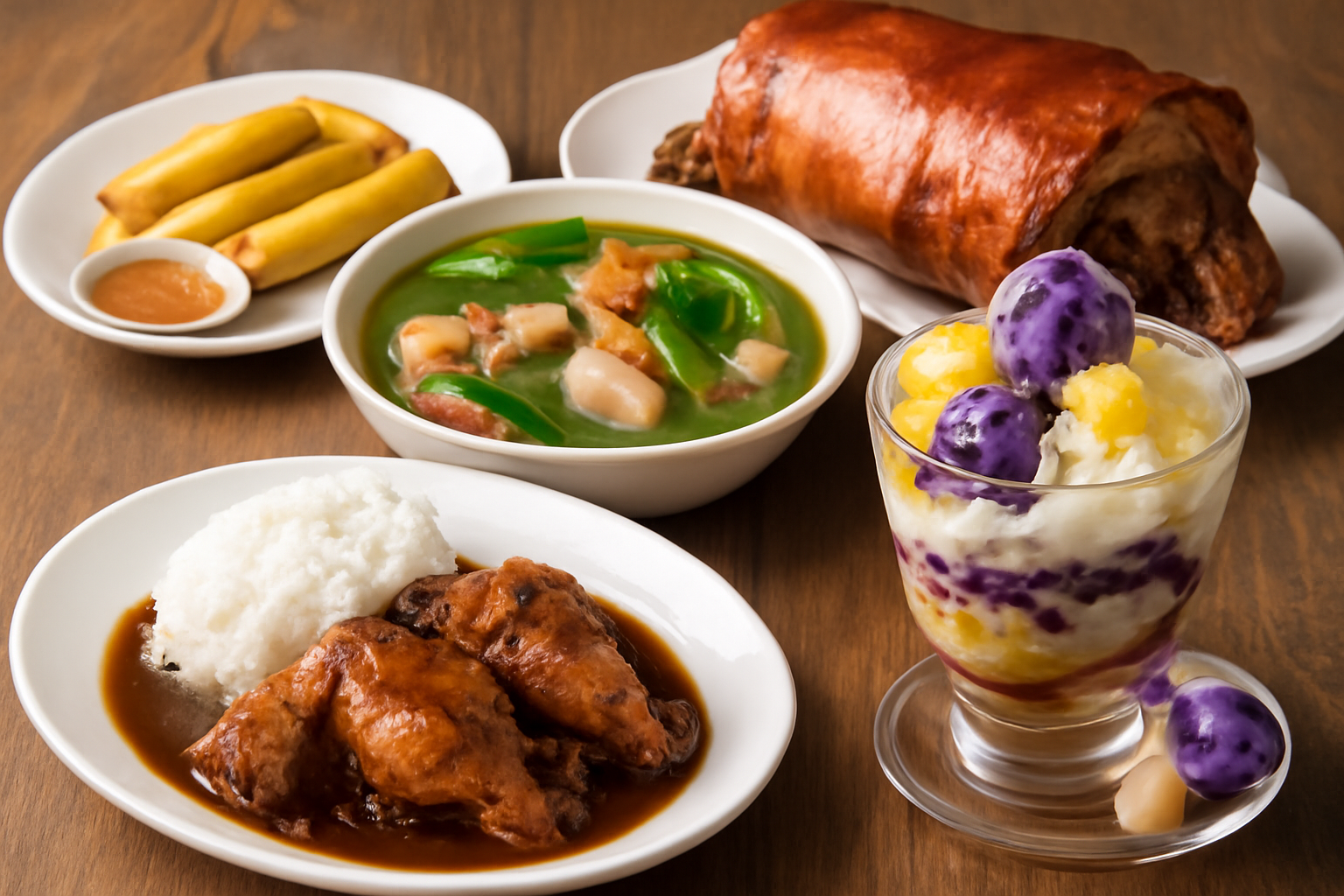
Filipino cuisine is the perfect fusion of taste, tradition, and cultural diversity. Each region in the Philippines offers its own mouthwatering dishes, with flavors influenced by the country’s long history and interactions with various cultures. From simple meals to luxurious ones, Filipino food provides something for everyone.
Adobo is one of the most iconic Filipino dishes. Chicken or pork is simmered in a mixture of soy sauce, vinegar, garlic, and other seasonings. The slow cooking process ensures that the meat becomes tender and soaks up the rich flavors. Adobo has many variations depending on the region or family recipe, making it a highly customizable and beloved dish.
Sinigang, a sour soup, is another favorite in the Philippines. The distinct sourness of Sinigang comes from tamarind, which is the key ingredient in this comforting dish. Sinigang is usually prepared with pork, fish, or shrimp, and served with an assortment of vegetables like water spinach, eggplant, and okra. Sinigang is perfect for any season, especially when paired with steamed rice.
For snacks, Lumpia is a favorite choice. Lumpia consists of thin wrappers filled with vegetables, meat, or shrimp, which are then deep-fried until crispy. Lumpia is often served with a dipping sauce, either sweet or tangy, which adds another layer of flavor. It’s popular as an appetizer or snack at gatherings.
Lechon, roasted whole pig, is the highlight of every major celebration. Lechon is a symbol of wealth and happiness in Filipino culture. The slow roasting process makes the skin crispy and the meat tender. Lechon is the centerpiece at many events like weddings, birthdays, and festivals, and will certainly captivate anyone who tries it.
For dessert, Halo-Halo is a Filipino classic. This mixed dessert consists of shaved ice topped with various ingredients like fruits, beans, agar-agar, and coconut milk, finished off with a scoop of ice cream. Halo-Halo is a fun and refreshing way to end a Filipino meal, especially on a hot day.
Filipino food offers a rich and varied culinary experience, with each dish reflecting the beauty of the country’s culture and traditions.