In Malaysia, education is viewed as a powerful tool for national progress. Over the years, the country’s education system has undergone significant transformations aimed at increasing its relevance to both local and global contexts. A focus on technology integration, curriculum modernization, and teacher development forms the backbone of these reforms.
The Structure of Education in Malaysia
The Malaysian education system is well-structured to provide students with a comprehensive and balanced education. The stages include preschool education, primary education, secondary education, and tertiary education. The education system is designed to be inclusive, with opportunities for students of various backgrounds to learn and grow. While Bahasa Malaysia is the main medium of instruction, students also learn English and other languages, fostering multilingualism in the country’s diverse society.
Technological Advancements in Education
A significant area of innovation in Malaysia’s education sector is the integration of technology. The “1BestariNet” project, which aims to provide high-speed internet to all schools in the country, plays a key role in making digital learning accessible to all students, regardless of their location. With the increased use of online platforms, digital learning tools, and virtual classrooms, students are able to access a wealth of resources that were previously unavailable.
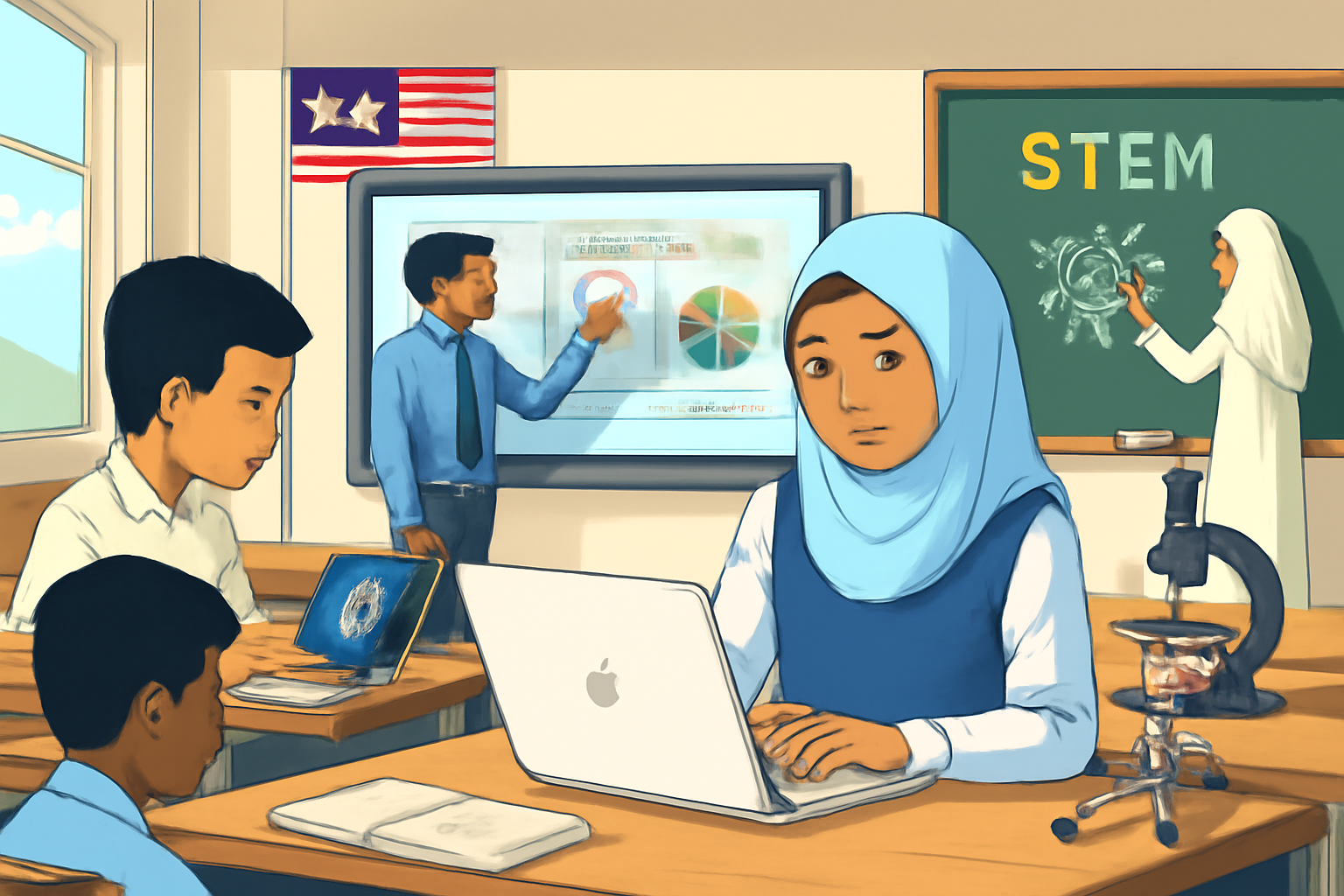
In addition to this, the “Smart Schools” initiative brings interactive technologies into the classroom, offering students a more engaging and personalized learning experience. Teachers can now use digital tools to make lessons more dynamic, which helps students absorb and apply knowledge more effectively.
STEM Education and Workforce Preparation
In response to global trends, Malaysia has placed a significant emphasis on Science, Technology, Engineering, and Mathematics (STEM) education. As the demand for skilled workers in STEM fields continues to grow, the government has introduced a range of initiatives aimed at improving the delivery of STEM education. From early exposure to these subjects in schools to offering specialized STEM programs, Malaysia aims to equip students with the necessary skills to contribute to the country’s knowledge-based economy.
The Malaysia Education Blueprint: A Vision for the Future
The Malaysia Education Blueprint (2013-2025) provides a roadmap for transforming the education system to meet the needs of the future. The blueprint’s goals include enhancing the quality of education, ensuring equitable access to educational opportunities, and preparing students for the global economy. A key aspect of this vision is innovation, which is seen as central to the development of a competitive and future-ready workforce.
Challenges in Implementation
Despite these efforts, challenges persist in the form of digital inequality, especially in rural areas where internet connectivity and access to modern technologies are limited. The government is working on bridging this gap by expanding digital infrastructure and increasing investment in teacher training, but progress is ongoing.
Conclusion
Malaysia’s education reforms reflect a commitment to embracing technological innovations and ensuring that all students are well-prepared for the future. While challenges remain, such as the need for improved teacher training and overcoming infrastructure disparities, Malaysia’s focus on technology and STEM education offers a bright future for its students.