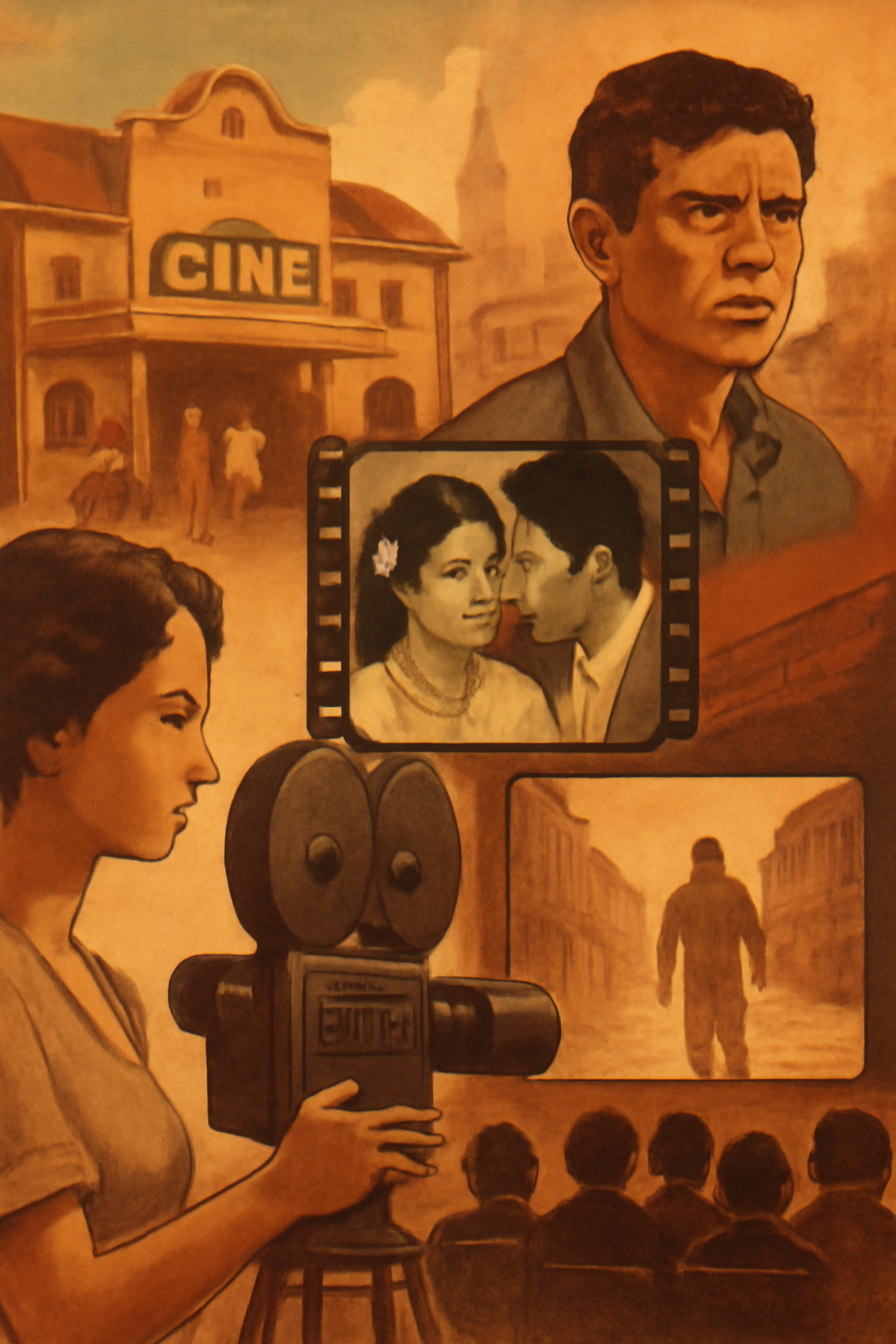
The story of Philippine cinema spans over a century, filled with cultural, political, and social changes that have influenced its growth. The introduction of cinema in the Philippines began in 1897, with the screening of the Lumière brothers’ Workers Leaving the Lumière Factory. Although this film was foreign, it marked the beginning of Filipino interest in moving pictures. However, it wasn’t until 1919 that the first Filipino film, Dalagang Bukid, was produced, initiating the development of a national film industry.
During the 1920s and 1930s, Hollywood films dominated local theaters, but Filipino filmmakers began to assert their own identity by focusing on local themes. The rise of Filipino studios like LVN Pictures in the 1930s facilitated this shift. These studios produced melodramatic films about the lives of Filipinos, which resonated with the country’s broad audiences. During this period, Filipino cinema began to explore a variety of genres, from historical dramas to romantic comedies.
World War II and the Japanese occupation severely affected the film industry, as many studios were destroyed. Nevertheless, the post-war period marked the resurgence of Philippine cinema, as filmmakers sought to reflect the new realities of a post-colonial nation. The 1950s and 1960s are considered the Golden Age of Philippine cinema, as more significant films and talents emerged. Big studios like Sampaguita Pictures and Pilipinas Pictures produced films that were both commercially successful and critically acclaimed.
The 1970s brought about major political upheaval under the dictatorship of Ferdinand Marcos. Despite the imposition of martial law and censorship, Filipino filmmakers responded by creating socially conscious works that critiqued the government. Directors like Lino Brocka, Mike de Leon, and Ishmael Bernal used their films as tools for activism, shedding light on social injustices and the suffering of the Filipino people under martial law.
In the 1990s and 2000s, a shift occurred within the industry as independent filmmakers began to make their mark. Directors like Brillante Mendoza and Lav Diaz explored new narratives, often focusing on the harsh realities of life in the Philippines. These films broke away from traditional formulas and gained recognition on the global stage, with numerous international awards. The success of these films, such as Kinatay and Norte, the End of History, showcased the versatility and creativity of Filipino filmmakers.
Today, the Philippine film industry is a vibrant mix of mainstream and independent cinema. While commercial films continue to dominate box offices, independent filmmakers have created a space for more experimental works, often tackling challenging social issues. With the advent of digital technology, Filipino filmmakers are now able to produce films with smaller budgets, allowing them to tell more diverse and nuanced stories. As the industry continues to evolve, it remains a significant part of the country’s cultural landscape and continues to gain recognition worldwide.