Thailand is a country full of vibrant traditions, and its festivals are a reflection of the nation’s deep cultural and spiritual heritage. These annual celebrations are more than just events; they are a manifestation of the Thai people’s respect for their ancestors, their devotion to Buddhism, and their love for community. Let’s explore some of the most iconic festivals that showcase Thailand’s beauty and culture.
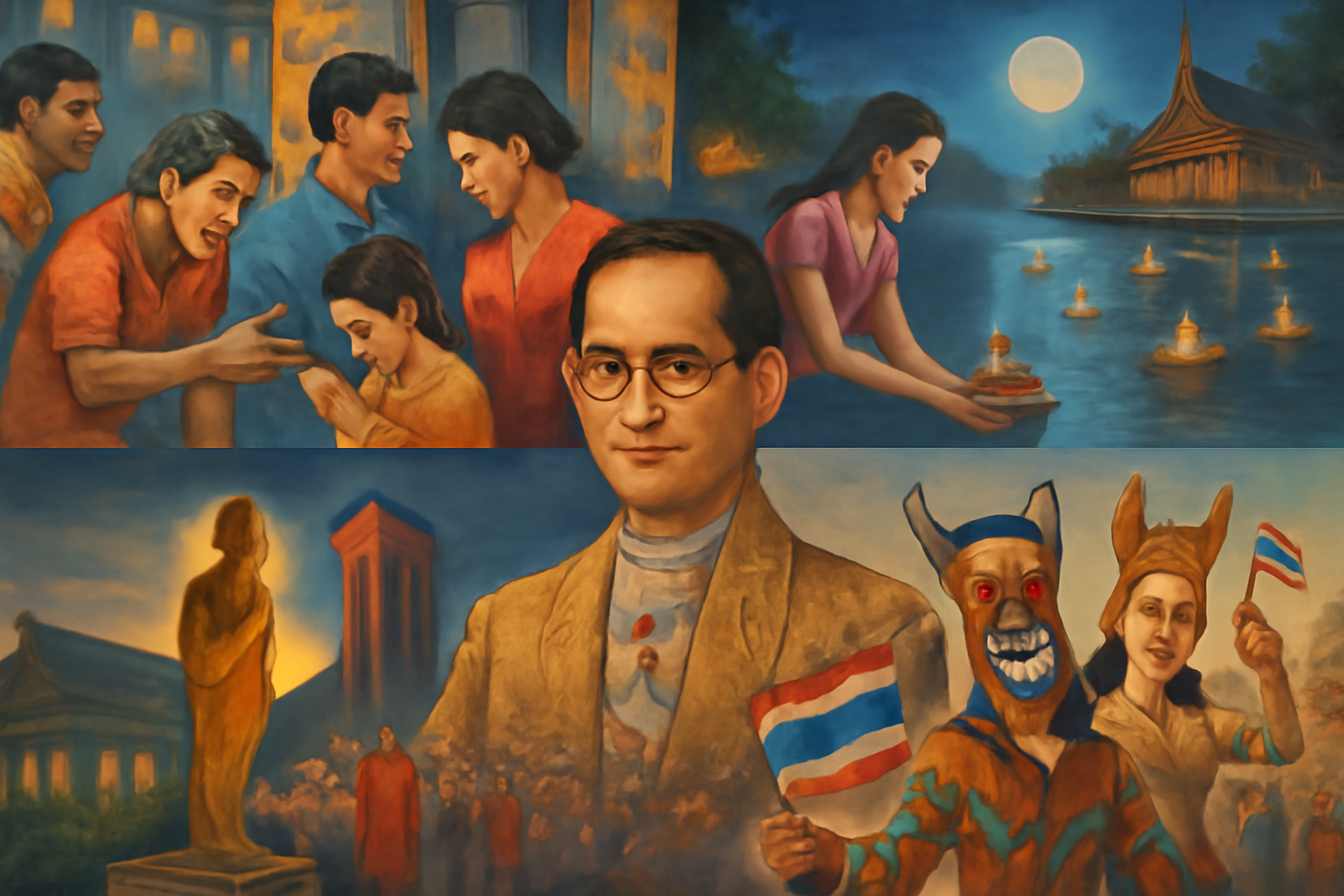
Songkran, the Thai New Year festival, is undoubtedly one of the most famous festivals in Thailand. Celebrated every year in April, Songkran is a time for spiritual purification, family reunions, and community festivities. The festival is best known for its large-scale water fights that take place across the country. People splash water at one another in the streets as a way of cleansing away bad luck and misfortune. While Songkran has become a fun-filled street party, it also holds deep cultural significance, with traditional customs such as visiting temples to offer prayers and pour water over Buddha statues.
Another beloved festival is Loy Krathong, celebrated on the full moon of November. During this enchanting event, people release small boats, or krathongs, into rivers and lakes, each one carrying a candle, incense, and flowers. The act of floating the krathongs symbolizes the release of negative energy and the wish for good fortune in the coming year. The sight of thousands of krathongs drifting along the water, illuminated by the glow of candles, creates a magical and peaceful atmosphere.
For Thai Buddhists, Visakha Bucha Day is an important religious observance. It celebrates the birth, enlightenment, and passing of Lord Buddha and is observed on the full moon in May. On this day, Buddhists gather at temples to meditate, offer flowers and incense, and participate in candlelight processions. It is a solemn occasion that emphasizes the core principles of Buddhism, including mindfulness, compassion, and wisdom.
Phi Ta Khon, also known as the Ghost Festival, is celebrated in the northeastern region of Thailand. This lively festival features participants wearing elaborate ghost masks and costumes, while engaging in music, dancing, and processions. The festival has roots in both local folklore and Buddhist traditions, symbolizing the return of the spirits of ancestors. Phi Ta Khon is a colorful and joyful celebration that blends humor with spirituality, making it one of the most unique festivals in the country.
In December, Thailand celebrates King Bhumibol’s Birthday in honor of the late King Bhumibol Adulyadej, who is deeply revered for his contributions to the country. On this day, the Thai people come together to express their respect and admiration for the king through ceremonies, public tributes, and cultural performances. The day serves as a reminder of the king’s immense impact on Thai society and the ongoing sense of national unity he inspired.
These festivals reflect the diverse and rich cultural landscape of Thailand. They offer a glimpse into the country’s spiritual practices, artistic expressions, and deep respect for tradition. Whether through the exuberant celebrations of Songkran, the serene beauty of Loy Krathong, or the profound religious observance of Visakha Bucha, Thailand’s festivals invite people from all walks of life to experience its unique cultural heritage.