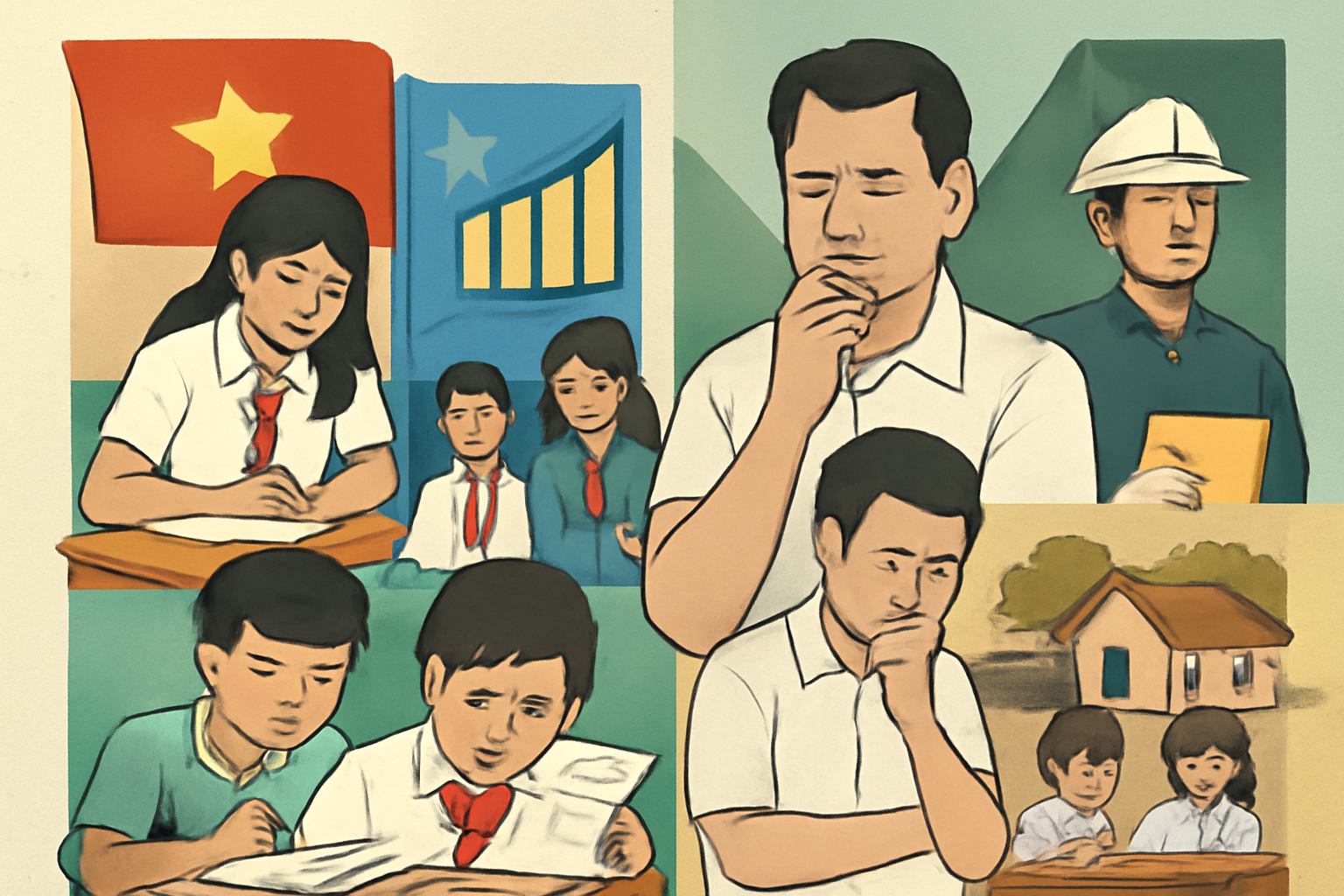
Vietnam’s education system has seen remarkable growth and transformation in recent decades. The country has made significant progress in improving literacy rates, expanding access to education, and producing top-performing students in international tests. However, despite these successes, challenges persist that must be addressed to continue enhancing the system’s effectiveness.
Successes
Vietnam’s education system has succeeded in achieving impressive literacy rates. As of recent reports, approximately 94% of adults are literate, a remarkable achievement for a nation that experienced long periods of conflict and economic struggle. Free and compulsory education for children aged 6 to 14 has contributed to this success, ensuring that education is accessible to nearly all children in the country.
International assessments such as the PISA tests have shown that Vietnamese students perform exceptionally well in mathematics, science, and reading. This success is notable considering Vietnam’s relatively low level of public spending on education. The country’s focus on academic rigor and a structured curriculum has proven effective in preparing students for global academic challenges.
Furthermore, Vietnam has made substantial investments in vocational education and training. These programs are designed to provide students with practical skills, ensuring they are ready to enter the workforce. The emphasis on vocational education helps meet the demands of a growing economy and reduces youth unemployment, benefiting both students and industries alike.
Struggles
However, Vietnam’s education system is not without its challenges. One of the primary concerns is the widespread use of rote memorization in classrooms. While this method of learning helps students excel in standardized tests, it has been criticized for stifling creativity and critical thinking. Many argue that rote memorization fails to prepare students for real-world problem solving, where creativity and innovation are vital.
Another key challenge is the disparity between urban and rural education quality. Students in urban areas have access to better resources, modern technologies, and qualified teachers. In contrast, rural areas often struggle with limited resources, inadequate facilities, and a shortage of skilled teachers. This gap leads to unequal educational outcomes and limits opportunities for students in rural areas.
Additionally, the teacher training system needs improvement. Many teachers lack the necessary skills and training to handle modern teaching techniques or diverse classrooms. There is a clear need for ongoing professional development and more investment in teacher education to address this issue.
Conclusion
While Vietnam has made significant progress in improving its education system, several challenges remain. Overcoming the reliance on rote memorization, addressing regional inequalities, and improving teacher training are crucial steps for the country to ensure the continued development of its education system. If these challenges are met, Vietnam will be able to build an even more inclusive and dynamic educational environment.