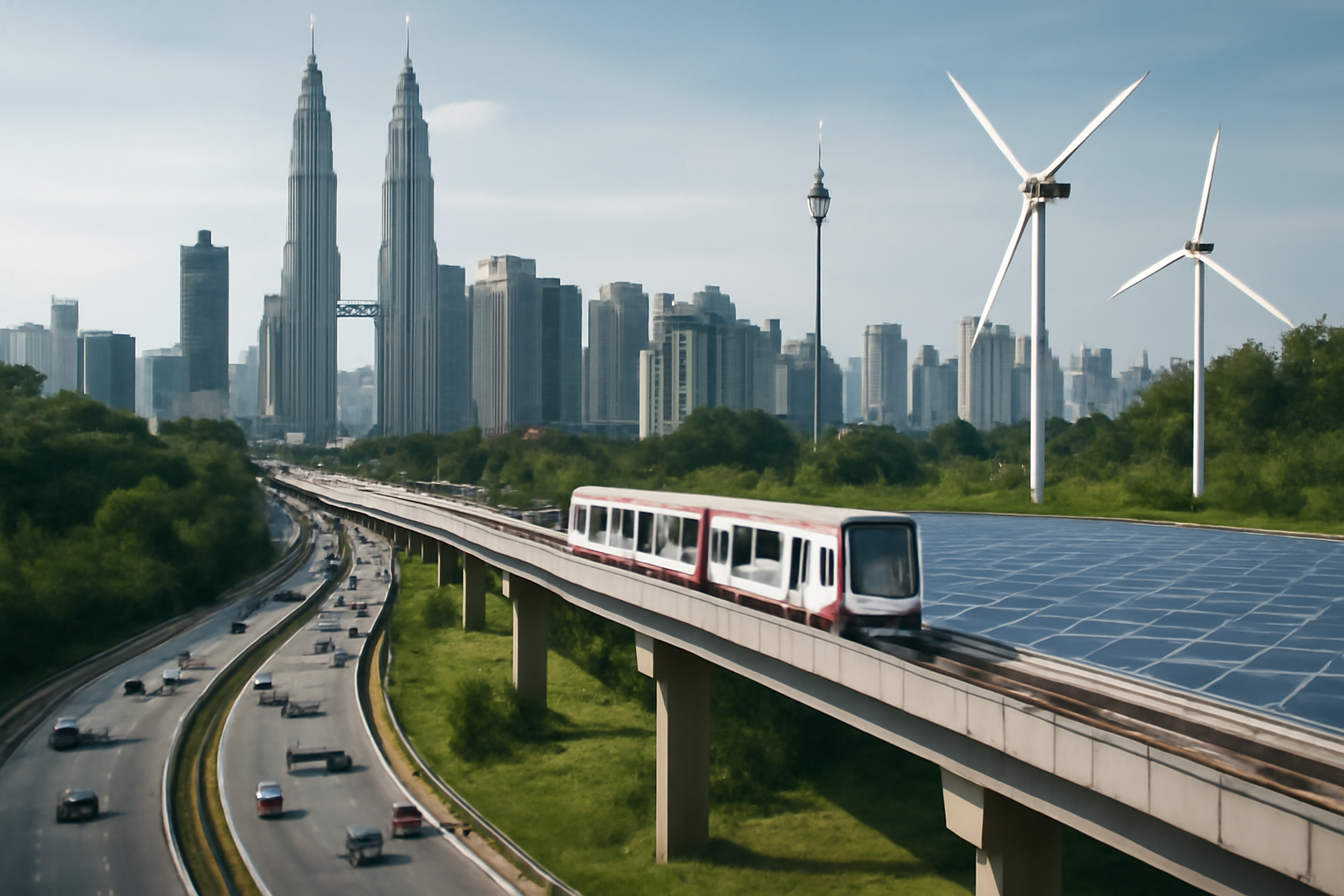
Infrastructure development in Malaysia is integral to connecting its regions and fostering national progress. This article explores how the nation’s infrastructure strategy is not only enhancing regional connectivity but also laying the groundwork for future economic and social prosperity.
Connecting Urban and Rural Areas
Malaysia is working towards overcoming the challenges posed by its diverse topography by investing in projects that improve connectivity. The extensive road network, including major highways such as the North-South Expressway, serves as the backbone of Malaysia’s transport system, linking cities and towns across the Peninsula.
The development of rail systems, such as the Mass Rapid Transit (MRT) and Light Rail Transit (LRT), has revolutionized urban transportation in Kuala Lumpur and other major cities. These modern transit systems offer an efficient alternative to road travel, reducing traffic congestion and air pollution, while improving the overall quality of urban life.
Driving Economic Growth Through Infrastructure
Infrastructure development in Malaysia is closely tied to the nation’s economic goals. By connecting regions and fostering ease of trade, Malaysia is positioning itself as an attractive destination for both domestic and international investments. Industrial parks and special economic zones benefit from their proximity to transport networks, helping to stimulate growth in sectors like manufacturing and technology.
In addition, Malaysia’s investment in digital infrastructure plays a critical role in the country’s transition to a digital economy. Initiatives such as the Malaysia Digital Economy Blueprint (MyDIGITAL) are driving efforts to expand broadband access and improve digital services across the nation, ensuring that businesses and individuals are equipped to compete in an increasingly digital world.
Sustainability: A Core Element of Future Development
Looking ahead, Malaysia recognizes the importance of sustainable infrastructure. Urban planning initiatives increasingly focus on creating green cities, while transport projects aim to minimize environmental impact. The country is also investing in renewable energy infrastructure and promoting the use of electric vehicles (EVs) as part of its long-term environmental strategy.