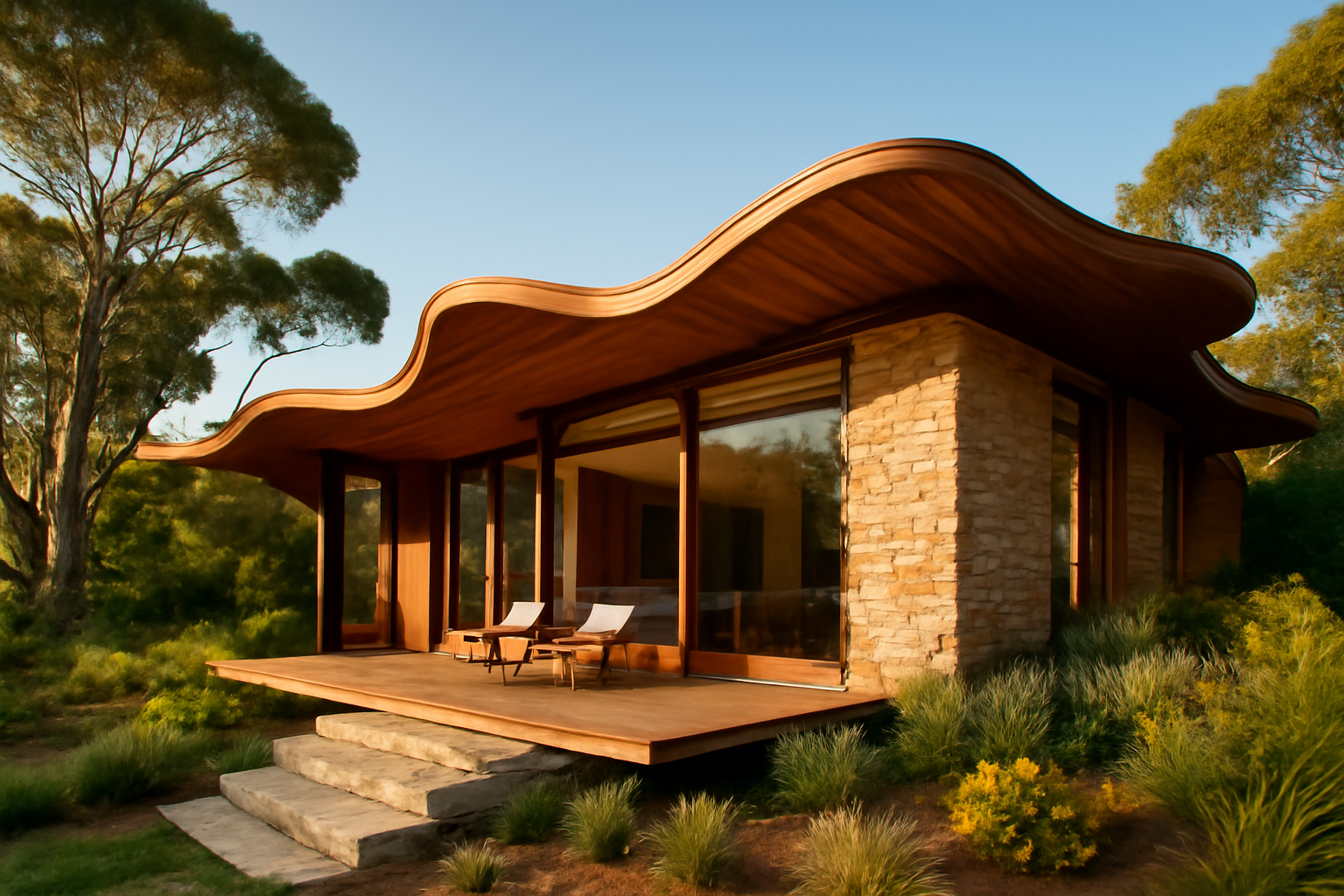
Australian architecture has become a model of how modern design can coexist with nature. As architects increasingly recognize the importance of sustainability and the environment, their designs reflect a growing commitment to creating structures that are both innovative and respectful of the land. From urban centers to rural retreats, Australian architecture combines the best of modern technology with a deep connection to the environment.
One of the standout features of Australian architecture is its use of natural materials. Timber, stone, and glass are commonly chosen for their aesthetic qualities as well as their environmental benefits. Timber is favored for its warmth and sustainability, while stone offers a timeless connection to the land. Glass is used extensively to bring in natural light and provide stunning views of the surrounding landscape, breaking down the boundary between interior spaces and the outdoors.
Sustainable design is at the heart of Australian architecture. Many architects incorporate passive design principles, which reduce the need for energy-consuming heating and cooling systems. Buildings are designed to take advantage of the natural climate, with proper orientation, natural ventilation, and thermal mass materials helping to regulate indoor temperatures. This approach ensures that homes are comfortable throughout the year while also minimizing their environmental impact.
The growing focus on sustainability in Australian architecture also extends to the use of renewable energy sources. Solar panels, rainwater harvesting systems, and energy-efficient appliances are becoming standard features in new buildings, helping homeowners reduce their energy consumption and lower their carbon footprint. These technologies are essential in the fight against climate change and represent a shift toward a more sustainable and eco-friendly way of living.
Outdoor living is an integral part of Australian architecture. With a climate that encourages outdoor activity, many homes are designed with expansive outdoor spaces, such as patios, decks, and courtyards. These areas serve as extensions of the living space, allowing residents to enjoy the beauty of the natural world while spending time outdoors. This connection to nature is central to the Australian lifestyle, where the outdoors is often seen as a vital part of daily life.
Indigenous Australian culture has had a significant influence on modern architectural design. Many architects draw inspiration from Aboriginal art, symbols, and traditions, incorporating them into their designs to create buildings that reflect the country’s cultural heritage. This cultural connection helps to create structures that are not only visually stunning but also carry a deep sense of place and history.
In coastal regions, Australian homes are designed to take advantage of stunning ocean views while blending seamlessly with the landscape. Open-plan living, large windows, and natural ventilation are key design features that allow residents to enjoy the beauty of the coast while maintaining a comfortable and sustainable living environment. Coastal homes are also built with materials that can withstand the harsh conditions of the coastal climate, ensuring durability and long-lasting beauty.
The evolution of Australian architecture is a testament to the country’s commitment to innovation, sustainability, and environmental stewardship. By embracing natural materials, energy-efficient designs, and outdoor living spaces, architects are creating homes that are both functional and beautiful, while also respecting the natural environment.