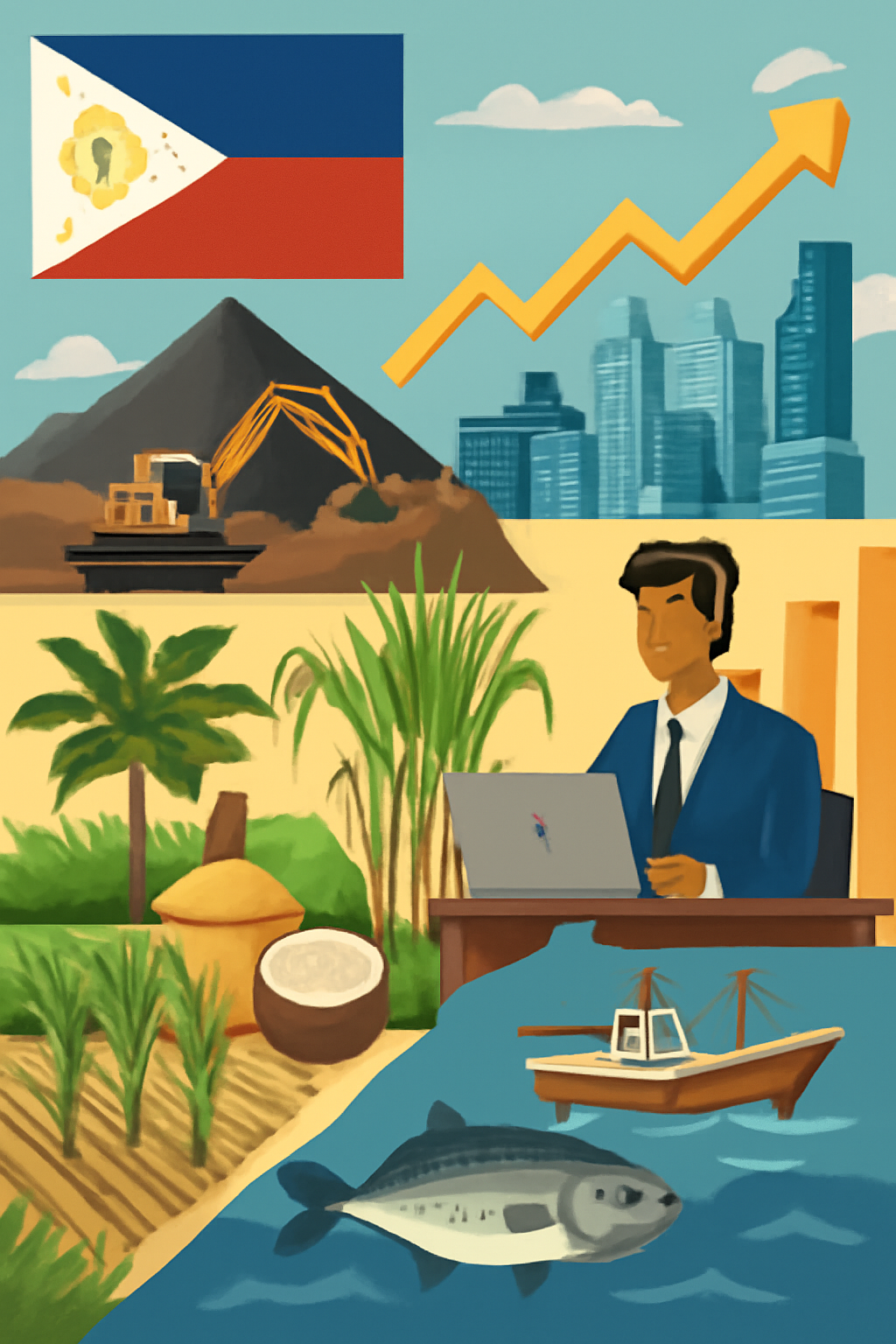
The natural resources of the Philippines have played a key role in shaping its economic landscape. Positioned in Southeast Asia, the country boasts rich deposits of minerals, fertile agricultural lands, and abundant marine life, making it one of the region’s most resource-rich nations. As the Philippine economy continues to grow, these resources are increasingly central to the nation’s development, but challenges surrounding sustainable resource management remain at the forefront of national policy.
Mineral resources are crucial to the Philippine economy, particularly in mining, which contributes a significant portion of the country’s export revenues. The Philippines is one of the leading global producers of nickel, which is in high demand due to its use in electronics and renewable energy technologies, such as solar panels and electric vehicle batteries. Gold and copper are also abundant in the country, providing additional economic opportunities. Despite the wealth of mineral resources, mining has been the subject of significant environmental concerns, including deforestation, soil erosion, and water contamination. To address these issues, the Philippine government has been working on stricter regulations aimed at ensuring more sustainable mining practices.
Agriculture is another critical sector that draws on the Philippines’ natural resources. The country has favorable conditions for growing a wide range of crops, from rice and corn to tropical fruits like bananas and pineapples. The Philippines is also one of the world’s leading producers of coconut oil, which has a strong market demand globally. However, the agricultural sector faces significant challenges, including vulnerability to natural disasters such as typhoons and flooding, which have devastating effects on crop production. Addressing these challenges through climate-resilient farming techniques is vital to securing the future of the agricultural industry in the Philippines.
The fishing industry in the Philippines is another cornerstone of the nation’s economy. The country’s vast territorial waters are home to some of the richest fishing grounds in the world. Fish and seafood products are both vital food sources for Filipinos and an important export commodity. However, the fishing industry is increasingly threatened by overfishing, illegal fishing practices, and the degradation of marine ecosystems. Sustainable fishing practices are essential to maintain healthy fish stocks and protect the livelihoods of millions of Filipino fishermen.
The natural wealth of the Philippines has also fueled growth in other sectors such as construction and manufacturing, which rely on raw materials like minerals and timber. As the country continues to develop, it must find a balance between resource extraction and environmental conservation. The pursuit of green growth, which emphasizes sustainable resource use and environmental protection, is essential for the long-term success of the Philippine economy.