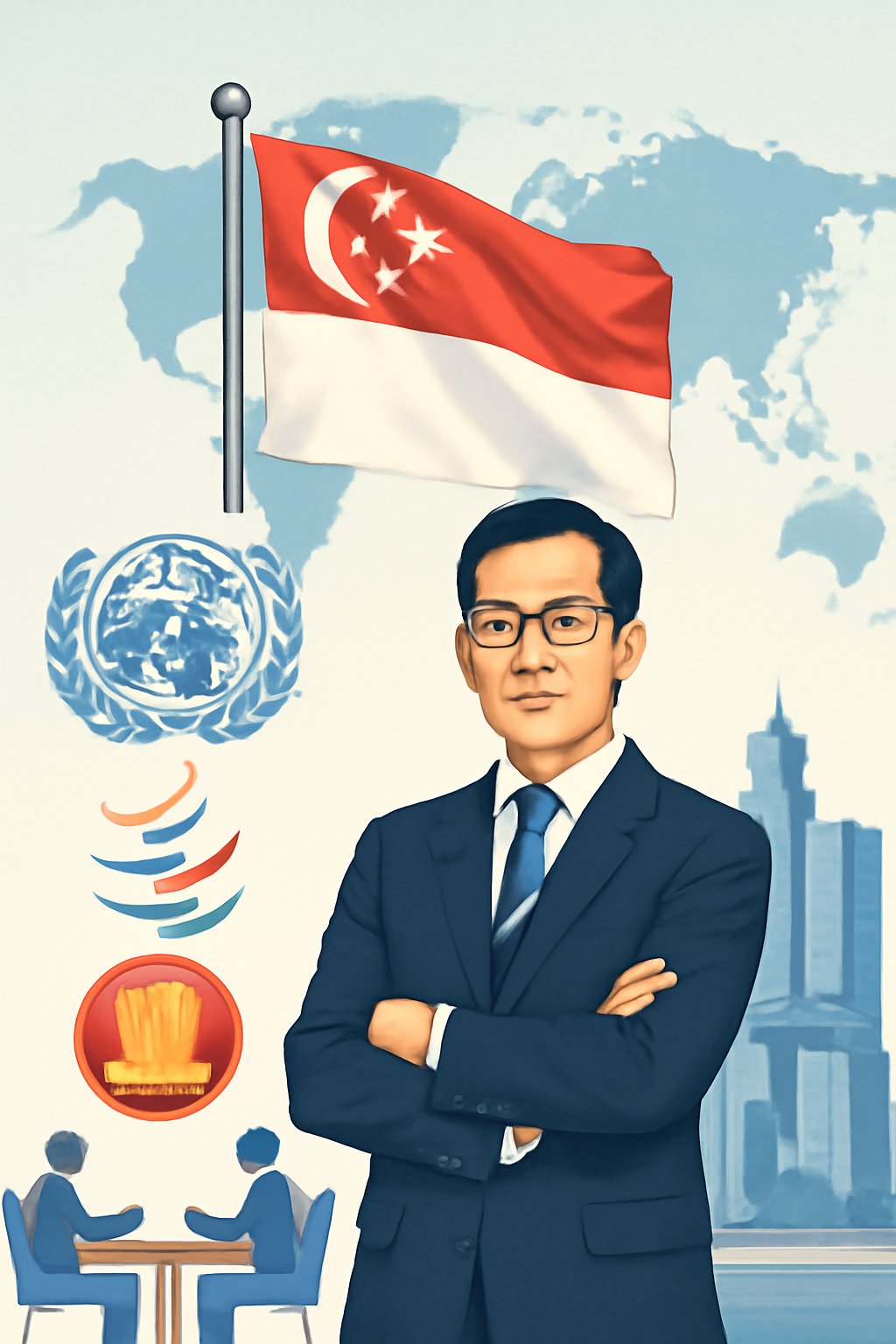
Despite its modest size, Singapore has proven that even smaller nations can exert significant influence on the world stage. With its strategic location, booming economy, and commitment to diplomacy, Singapore has successfully navigated the complexities of international relations to become a key player in global diplomacy. Its ability to foster cooperation between conflicting parties, push for multilateral solutions, and champion economic integration has made it a vital contributor to global stability and peace.
A core principle of Singapore’s foreign policy is neutrality. The nation has maintained a neutral stance in regional and global conflicts, which has allowed it to foster positive relationships with both large powers and smaller nations alike. Singapore has been careful not to take sides in major geopolitical rivalries, a strategy that has enabled it to be seen as an impartial facilitator of peace. This approach has been instrumental in allowing Singapore to mediate high-level diplomatic talks and play a significant role in global peacebuilding efforts.
Economically, Singapore has become one of the world’s most important financial centers and a critical player in global trade. The city-state’s strategic location along vital maritime trade routes has made it an essential hub for international commerce, while its open economy has attracted investments from around the world. Singapore’s economic success has allowed it to leverage its financial and trade influence in diplomatic negotiations, particularly in regional trade agreements like the Regional Comprehensive Economic Partnership (RCEP).
The city-state has also made substantial contributions to international organizations. Singapore is an active member of the United Nations, ASEAN, the World Trade Organization, and other multilateral bodies. It uses these platforms to advocate for international cooperation, free trade, and the promotion of peace and security. Singapore’s leadership within ASEAN has been particularly significant, as the nation has worked to advance regional stability, economic integration, and collective action on issues like counterterrorism and environmental sustainability.
Singapore has earned a reputation for hosting peace talks and mediating disputes. A notable example of this diplomatic role was the 2018 summit between U.S. President Donald Trump and North Korean leader Kim Jong-un. By offering a neutral and secure location for the summit, Singapore played a crucial role in facilitating dialogue between the two leaders, helping to ease tensions and open the door to future negotiations. This event underscored Singapore’s ability to leverage its neutrality and diplomatic expertise to advance global peace.
In addition to peacebuilding, Singapore has been a staunch advocate for global environmental sustainability. The country has taken a leading role in addressing climate change, both within the region and globally. Singapore’s commitment to green technology, sustainable urban development, and climate action has made it an important voice in environmental diplomacy.
By maintaining a policy of neutrality, fostering economic cooperation, and playing an active role in multilateral diplomacy, Singapore has shown that small nations can have a profound impact on international affairs. Its ability to adapt to changing global dynamics and contribute meaningfully to peace and security has cemented its reputation as a diplomatic power.