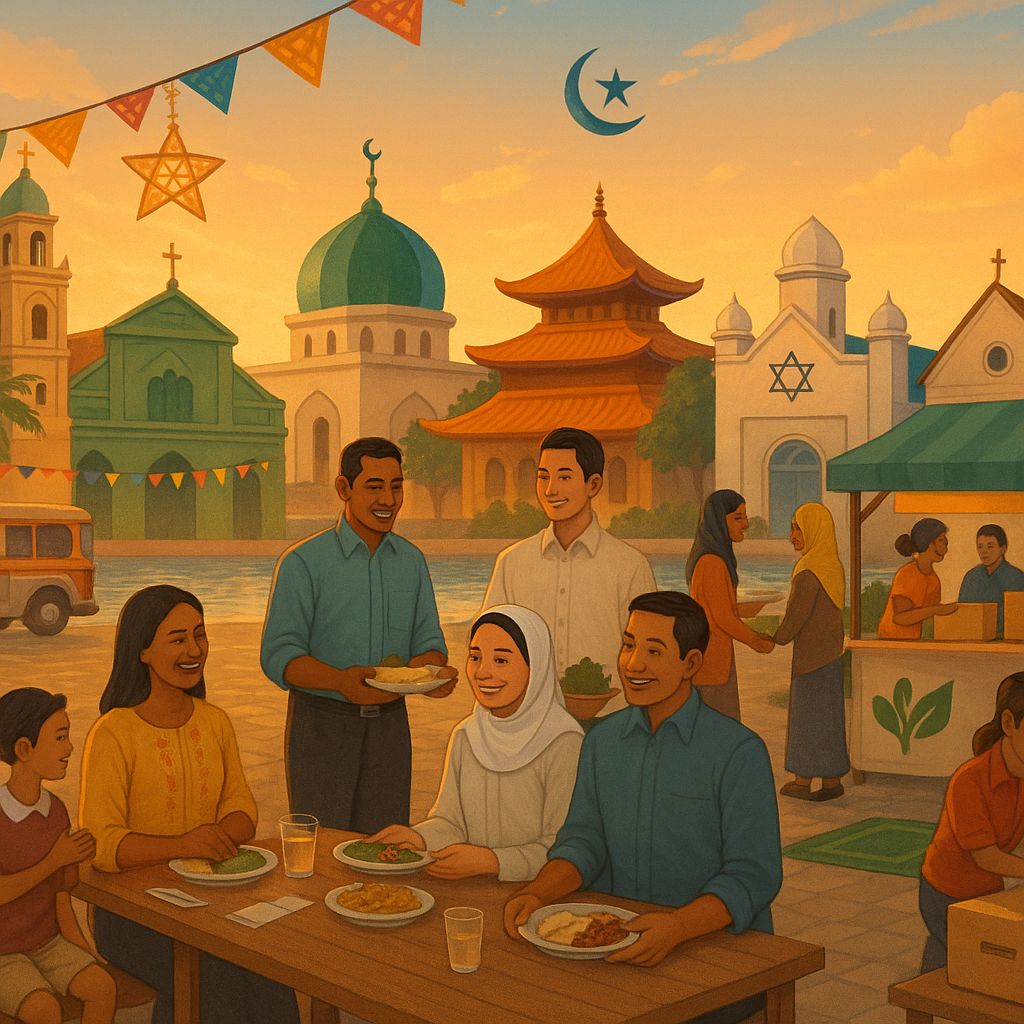
Beneath the Philippines’ lively religious landscape lies a framework of laws and schools that makes diversity livable. The constitution’s twin commitments—to non‑establishment and free exercise—prevent government favoritism while protecting worship and association. These principles translate into statutes, courts, and classrooms where difference is managed with rules rather than impulse.
Legal pluralism stands out in the recognition of Muslim personal status. Shari’ah District and Circuit Courts adjudicate marriage, divorce, custody, and inheritance for Muslims who choose their jurisdiction, aligning centuries‑old norms with national law. The Bangsamoro Autonomous Region in Muslim Mindanao furthers this accommodation by granting powers over education, culture, and development, allowing policy to reflect community values while remaining accountable to the republic. City halls and agencies increasingly embed practical accommodations—permits for mosque construction, clear guidelines for animal slaughter during feasts, and coordination on halal certification for businesses.
Education policy supports this architecture. In public schools serving Muslim populations, Arabic Language and Islamic Values Education integrates language learning with moral formation. Teacher training programs produce instructors who can bridge cultural expectations and state standards. Catholic, Protestant, and nonsectarian universities run centers for peace, Islamic studies, and interreligious dialogue; they convene lectures, organize immersion trips, and publish research that informs local government. Scholarships target underrepresented regions, widening access and building professional pipelines for youth from Mindanao and indigenous communities.
Public recognition of religious calendars reinforces civic respect. Eid al‑Fitr and Eid al‑Adha appear alongside Christmas and Holy Week in national scheduling. Uniform policies in schools and workplaces increasingly allow head coverings and modest attire, while large terminals provide prayer rooms. Courts and commissions issue guidance on conscientious objection and reasonable accommodation, discouraging discrimination without creating loopholes for harassment or coercion.
Debates at the edges of law reveal healthy, if noisy, pluralism. Advocates argue over family law reform, reproductive health services, and the limits of speech, including long‑standing penal provisions on offending religious feelings. The system’s strength is its proceduralism: consultation, deliberation, and incremental adjustment. Mediation, legislative hearings, and judicial reasoning transform clashes of conviction into manageable policy questions. In the Philippine setting, pluralism endures not because everyone agrees, but because institutions keep disagreement bounded, civil, and attentive to the lived realities of communities.