In recent decades, Thailand has experienced profound social changes, largely driven by globalization and the rise of social media. These two forces have played a pivotal role in reshaping various aspects of Thai society, including its cultural identity, economic structure, and political landscape. As Thailand becomes increasingly connected to the global economy and its citizens become more engaged with social media, the nation is facing a unique set of challenges and opportunities.
Globalization has brought significant economic benefits to Thailand, transforming it into one of the most prominent economies in Southeast Asia. The growth of tourism, trade, and foreign investment has propelled the country’s economic development, particularly in urban centers like Bangkok and Chiang Mai. However, this growth has also exacerbated the gap between rich and poor, with rural areas often lagging behind in terms of access to modern technologies and economic opportunities.
Culturally, globalization has had both positive and negative effects. On the one hand, the exchange of ideas and values has enriched Thai society by introducing new perspectives on art, music, food, and fashion. On the other hand, there is growing concern that the influx of Western culture and consumerism is eroding Thailand’s traditional values, particularly those related to family structures and community life. As younger generations adopt global norms, tensions have emerged between preserving traditional Thai customs and embracing modern global influences.
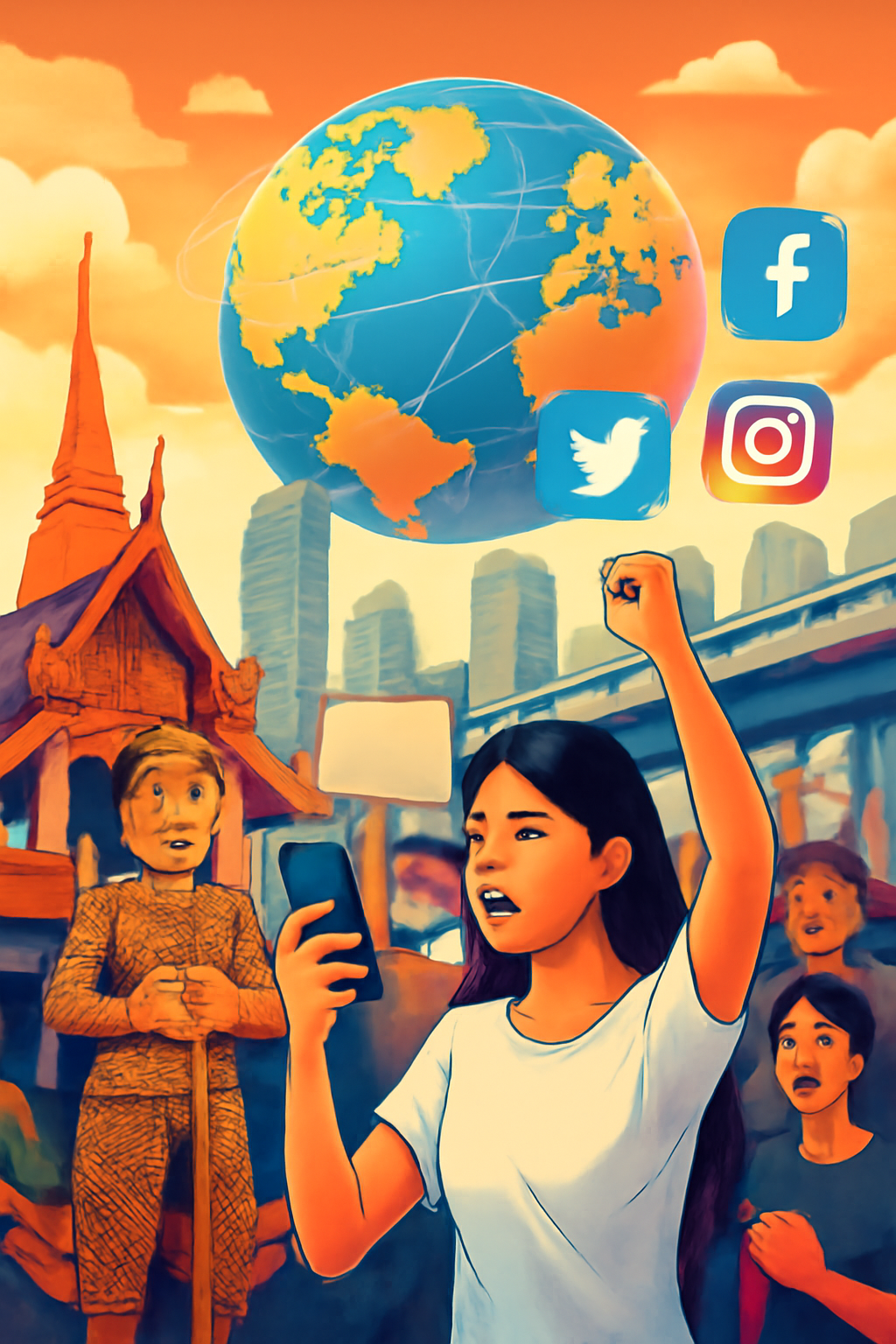
Social media, particularly platforms like Facebook, Instagram, and Twitter, has played a central role in shaping the social dynamics of Thailand. These platforms have provided Thai people with a space to communicate, share ideas, and engage in political and social discussions. The rise of social media has enabled individuals to bypass traditional media outlets and create their own narratives. This has been particularly important in political activism, where young Thais have used social media to organize protests, voice dissent, and demand political reforms.
The 2020 protests in Thailand, for example, were largely fueled by social media. Protestors used platforms to coordinate actions, spread awareness of their causes, and challenge the government. This has demonstrated the power of social media as a tool for political engagement and social change. However, the role of social media in politics is not without its drawbacks. The spread of fake news, misinformation, and divisive rhetoric has raised concerns about the quality of discourse in Thai society. The speed at which false information can spread has made it difficult for people to distinguish fact from fiction, contributing to confusion and political polarization.
Furthermore, the younger generation in Thailand is particularly affected by globalization and social media. These digital natives are more likely to embrace global trends and ideas, pushing for social and political changes that challenge traditional norms. Social media has given them a voice, empowering them to advocate for causes like gender equality, LGBTQ rights, and greater political freedoms. This shift in values has created tensions with older generations who may feel that these progressive ideas threaten the traditional fabric of Thai society.
The Thai government has acknowledged the growing influence of social media and globalization and has taken steps to regulate digital platforms. Laws governing online speech and content are becoming more stringent, as the government seeks to control the spread of misinformation and maintain social order. While these regulations are intended to protect public stability, they have raised concerns about censorship and the potential for stifling free expression.
Ultimately, globalization and social media are transforming Thailand in profound ways. While these forces have opened up new economic opportunities, political spaces, and cultural exchanges, they have also created new challenges in terms of cultural preservation, misinformation, and political division. Thailand’s ability to manage these forces will determine the trajectory of its social evolution in the years to come.