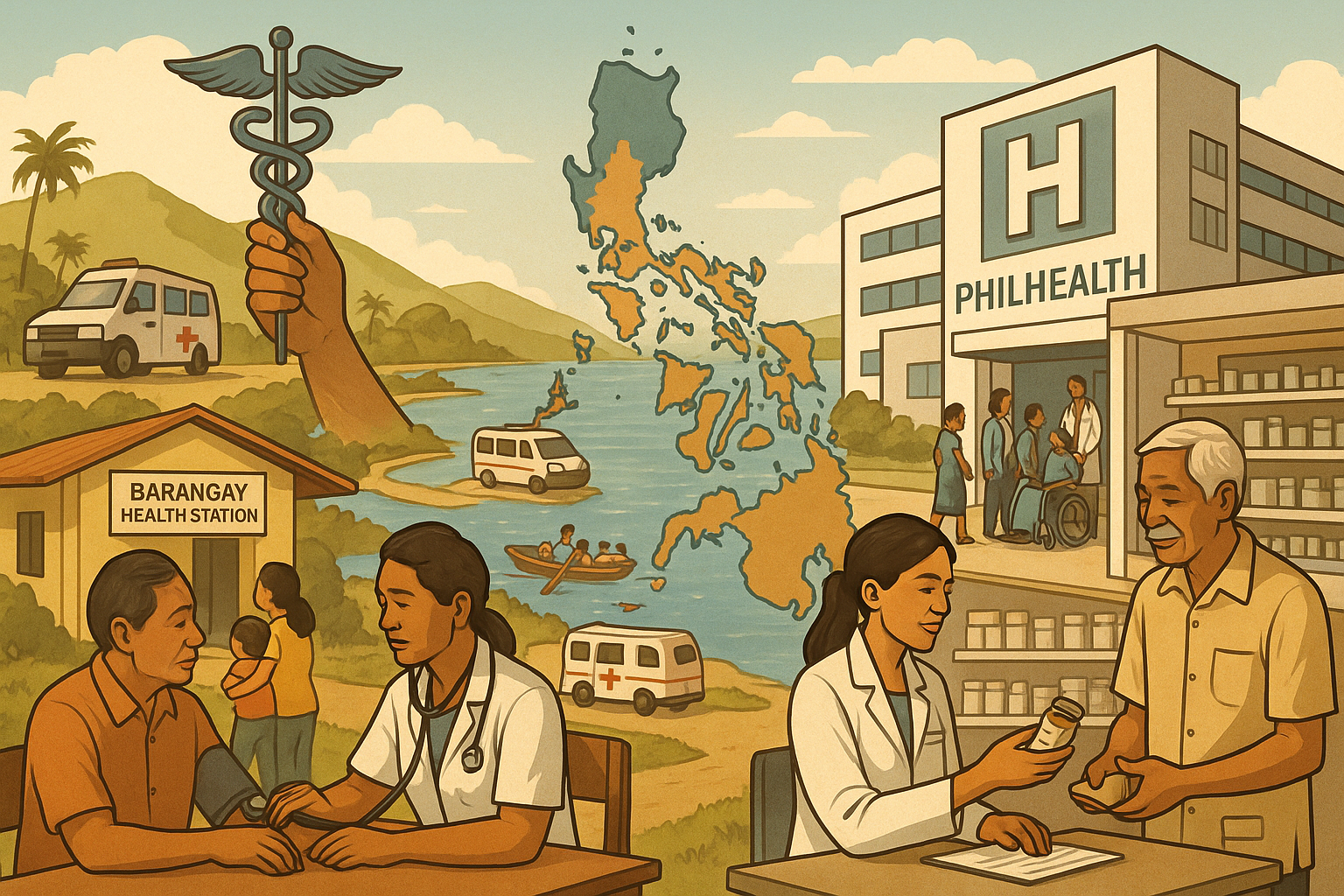
Maternal and newborn health in the Philippines has improved over decades, yet preventable deaths persist, particularly in rural and impoverished communities. The ingredients for safer pregnancies and healthier infants are straightforward: early and regular prenatal care, skilled birth attendance in well-equipped facilities, timely referral for complications, and postnatal follow-up. Delivering these components reliably to every mother is the ongoing challenge.
Access begins at primary care. Rural Health Units and Barangay Health Stations provide antenatal check-ups, micronutrients, tetanus immunization, and counseling on danger signs. Midwives anchor these services, supported by nurses and physicians in larger facilities. However, gaps in ultrasound access, laboratory testing, and emergency transport can delay critical decisions. When preeclampsia or hemorrhage is suspected, speed matters—and geography can be unforgiving.
Facility readiness is uneven. Basic Emergency Obstetric and Newborn Care (BEmONC) capability should be widespread, with Comprehensive EmONC referral points available within reachable distance. In practice, staffing rotations, equipment downtime, and blood supply issues create vulnerabilities. Regular drills, checklists, and maintenance plans help, but budgets and management capacity must sustain them.
Adolescent health requires special attention. Early pregnancies correlate with higher risks for mother and child, compounded by school interruption and economic strain. Youth-friendly clinics, confidential counseling, and comprehensive sexuality education—adapted to local norms—promote informed choices. Linking adolescents to mental health support, nutrition programs, and vaccination campaigns protects long-term well-being.
Financial protection influences decisions. While PhilHealth covers many maternity services, indirect costs—transport, companion expenses, and lost income—push families toward home births or late facility arrival. Transport vouchers, maternity waiting homes near referral hospitals, and community emergency savings schemes address these hidden barriers. Clear communication of benefits in local languages increases timely facility use.
Newborn care is the next frontier. Early essential newborn care, breastfeeding support, and kangaroo mother care for low-birthweight infants are cost-effective and lifesaving. Screening programs for metabolic and hearing conditions require reliable sample transport and follow-up, which depend on data systems that keep families from slipping through the cracks.
The care continuum extends beyond six weeks. Postpartum mental health screening, family planning, and nutrition support reduce repeat high-risk pregnancies and improve maternal recovery. Community health workers, equipped with digital tools and supervised effectively, are pivotal in tracking mother-baby pairs and coordinating referrals.
Typhoon-prone regions need redundancy. Birth plans should include alternative routes and facilities, emergency communication trees, and pre-positioned supplies. When infrastructure fails, mobile teams and temporary clinics protect continuity. Making maternal, newborn, and adolescent health dependable is not a single intervention but a system that anticipates needs and removes obstacles before they endanger lives.