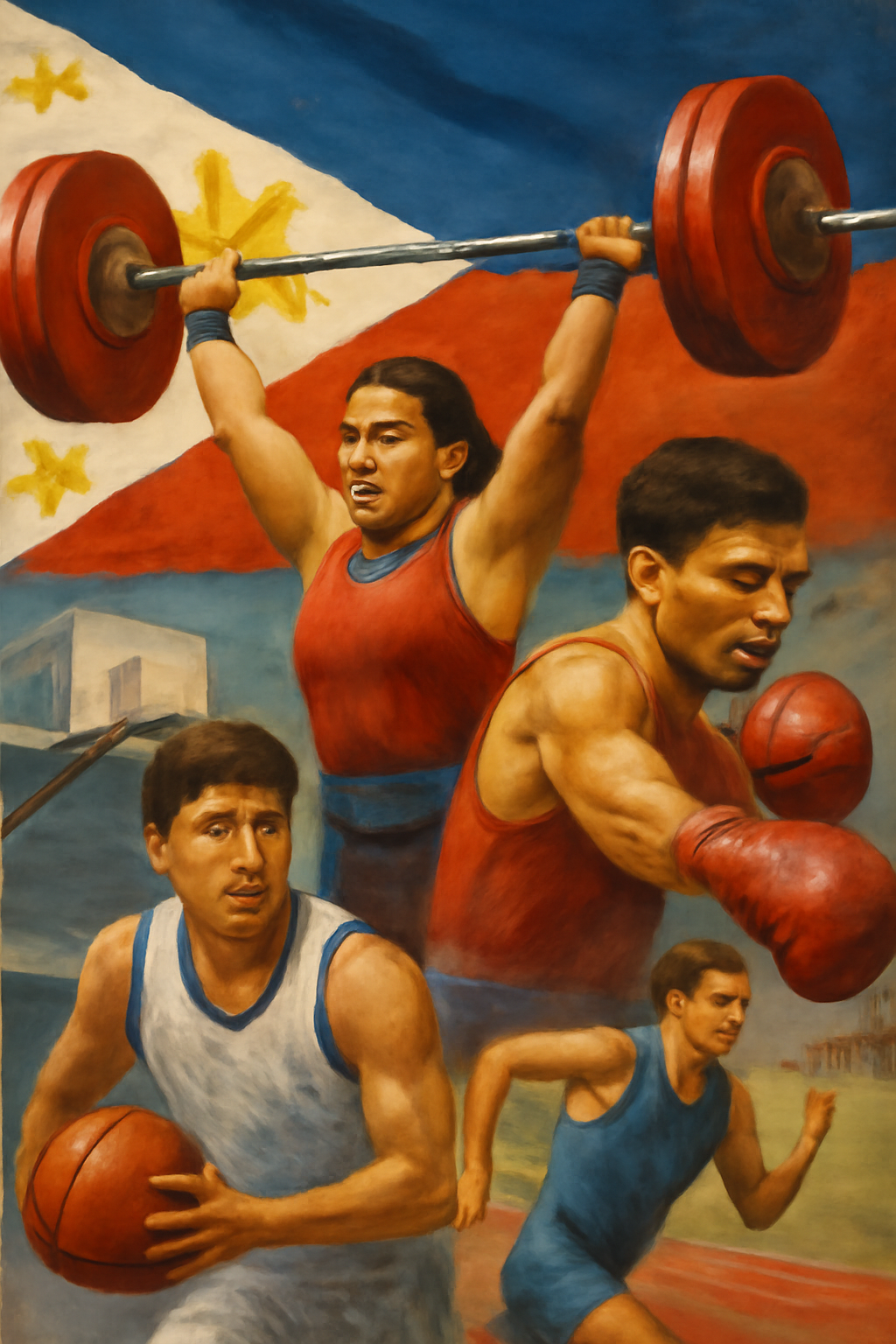
The Philippines has produced numerous outstanding athletes who have gained recognition on the world stage. Whether it’s in boxing, weightlifting, or basketball, Filipino athletes continue to make waves in global competitions. However, despite these triumphs, the Philippines faces ongoing challenges in fostering a sports environment that can fully support the growth and success of its athletes internationally.
A landmark achievement for Filipino athletes came in 2021 when weightlifter Hidilyn Diaz clinched the country’s first-ever Olympic gold medal at the Tokyo Games. Diaz’s victory was not just a personal triumph but also a significant moment for the country’s sports culture. Her win highlighted the potential of Filipino athletes and underscored the importance of providing them with the necessary resources and support to compete at the highest level.
In boxing, the Philippines has enjoyed immense success, with Manny Pacquiao leading the charge as one of the sport’s greatest athletes. Pacquiao’s illustrious career not only brought global attention to Filipino boxing but also fostered national pride. His rise from humble beginnings to becoming an international icon has inspired generations of Filipinos to pursue their dreams in sports. Alongside Pacquiao, other Filipino boxers such as Nonito Donaire and Nesthy Petecio have made significant contributions, winning world championships and further cementing the Philippines’ position as a boxing powerhouse.
Basketball holds a special place in Filipino culture, and the Philippine national team, Gilas Pilipinas, has performed admirably in regional competitions like the FIBA Asia Cup. The Philippine Basketball Association (PBA) also continues to serve as a platform for developing and showcasing talented basketball players, both locally and internationally. The widespread popularity of basketball in the Philippines has led to the country producing world-class talent that is recognized on the global stage.
However, despite these successes, Filipino athletes face considerable obstacles. One of the main challenges is the lack of modern training facilities and infrastructure. While boxing and basketball have enjoyed significant attention and funding, athletes in other sports such as athletics, swimming, and tennis often lack access to the best equipment, facilities, and coaching. This lack of resources can limit their ability to reach their full potential, especially when competing against athletes from more developed countries with better infrastructure.
Financial support is another area that poses challenges for Filipino athletes. While sports like boxing and basketball attract sponsors and funding, many athletes in less popular sports struggle to secure the necessary financial backing. Without adequate funding, athletes often find it difficult to afford the costs of training, travel, and competition, making it harder for them to compete on the world stage.
Furthermore, the country’s sports development programs are not as comprehensive as they could be. Although there is a wealth of talent in the Philippines, many athletes lack the necessary support systems to develop their skills. By focusing on expanding sports programs at the grassroots level and improving the scouting and training processes, the country could nurture young talent more effectively and prepare them for international competition.
Despite these challenges, Filipino athletes continue to rise above adversity and represent their country with pride on the international stage. With increased investment in sports infrastructure, better financial support, and a more structured sports development system, the Philippines can continue to build on its successes and achieve even greater accomplishments in global sports.