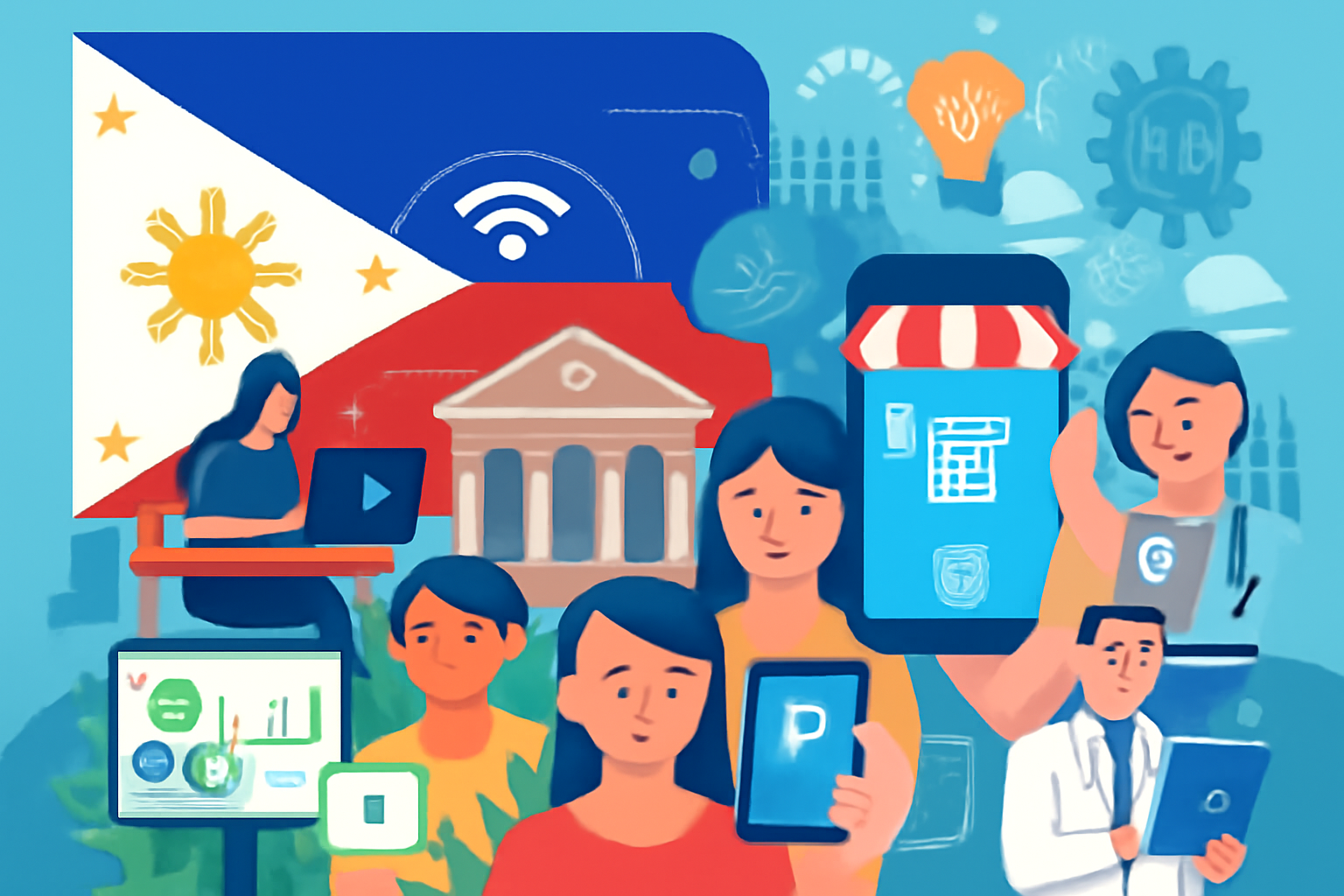
In recent years, the Philippines has embraced technology and innovation as central pillars of its growth and development. The country’s digital transformation is helping to reshape industries and improve the lives of Filipinos, offering new opportunities in education, healthcare, finance, and business. This shift is setting the stage for the Philippines to emerge as a leader in Southeast Asia’s digital economy.
The government’s push to enhance digital infrastructure is one of the main driving forces behind the country’s digital transformation. The National Broadband Plan (NBP) is a key initiative aimed at improving internet connectivity across the Philippines, ensuring that all Filipinos, regardless of their location, have access to reliable and high-speed internet. This infrastructure is crucial for businesses, schools, and government agencies to function efficiently in a digital world.
The education sector has seen a dramatic shift towards digital learning. With the onset of the COVID-19 pandemic, schools and universities quickly adopted online learning platforms to continue delivering education. The Department of Education (DepEd) has worked to ensure that students, even in remote areas, have access to learning materials and digital resources. Blended learning models, combining online and traditional methods, are now widely used to support flexible and inclusive education.
In the healthcare sector, technology has made healthcare services more accessible and efficient. Telemedicine platforms have allowed patients to consult with doctors remotely, reducing the need to visit clinics in person. This has been especially beneficial for those living in rural areas, where access to healthcare services is limited. Health technology innovations, such as wearable health trackers and mobile apps, are helping individuals monitor their health and improve their well-being.
The growth of e-commerce has been another significant aspect of the Philippines’ digital transformation. Online shopping platforms like Lazada, Shopee, and Zalora have gained massive popularity, offering a wide range of products to consumers. The rise of digital payments, facilitated by platforms like GCash and PayMaya, has enabled Filipinos to make seamless transactions and participate in the digital economy. This growth in e-commerce is also creating new opportunities for businesses, particularly small and medium-sized enterprises (SMEs), to reach a larger market.
The fintech sector is helping to address financial inclusion challenges in the Philippines. With a large portion of the population unbanked, fintech companies are offering digital wallets, mobile banking services, and online loans that provide financial access to underserved communities. These innovations are helping to reduce the financial gap and enable more Filipinos to manage their money, save, and invest.
The Philippines is also home to a burgeoning tech startup ecosystem. Startups focused on fintech, health tech, agritech, and other sectors are creating solutions that address the unique needs of the Filipino market. These startups are driving innovation, creating jobs, and contributing to the country’s overall economic growth.
Despite the progress, there are still challenges to be addressed. Issues such as digital literacy, cybersecurity, and uneven access to technology in rural areas must be tackled to ensure that the benefits of digital transformation reach all Filipinos. The government, in collaboration with the private sector, is working on initiatives to bridge the digital divide and ensure that all citizens can fully participate in the digital economy.
As the Philippines continues to embrace technology and innovation, the country is well-positioned to become a leading player in the global digital economy, driving economic growth, improving quality of life, and ensuring that no Filipino is left behind in the digital revolution.