A new industry report released in Bonifacio Global City Taguig finds that between 47% and 70% of CRM implementations fail, with Philippine B2B companies among the hardest hit. The CRM Shopping Guide 2026, launched March 20 at Ascott BGC, scores seven major platforms — including Salesforce, HubSpot, Zoho, Pipedrive, Monday, and Bitrix24 — across five weighted criteria tied to long-term success: total cost of ownership, setup and adoption, strategic partnership, all-in-one capability, and scaling flexibility. The vendor-neutral benchmarking resource gives business owners, managing directors, and heads of sales a structured framework to evaluate CRMs before committing budget. Available free at flow21.systems/guide.
A free benchmarking guide exposes real 3-year costs in Philippine Pesos and the adoption failures behind the country’s growing CRM problem
TAGUIG, Philippines — March 22, 2026
Philippine B2B companies are investing millions of pesos in Customer Relationship Management (CRM) platforms — and getting little in return. Global research estimates that between 47% and 70% of CRM implementations fail, and the problem is especially acute among small and mid-sized B2B firms in the Philippines, where teams of 2 to 30 salespeople routinely abandon newly purchased systems within weeks.
The pattern is consistent: a company purchases CRM licenses, attempts to configure the platform internally, encounters resistance from sales staff who default to WhatsApp and spreadsheets, and ultimately concludes that CRM technology itself doesn’t work. But a growing body of industry evidence suggests the technology isn’t the problem — implementation is.
“The Philippines doesn’t have a CRM software problem. It has a CRM implementation and support problem,” said Ian Denver Sanchez, a former COO of foodpanda Philippines who now advises B2B companies on sales infrastructure. “Businesses buy licenses and get left on their own. Without proper setup, training, and ongoing accountability, even the best platform will fail.”
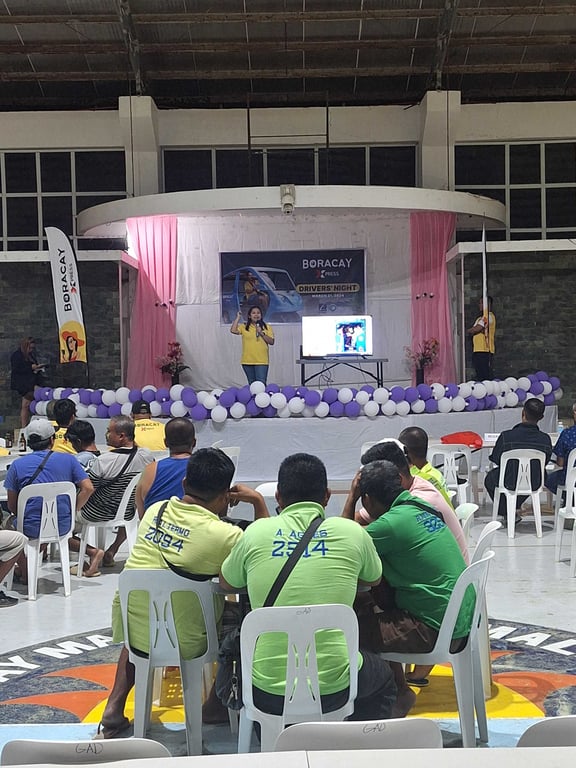
A new benchmarking resource spotlights the gap. The CRM Shopping Guide 2026, released on March 20 at an event at Ascott BGC in Taguig City, evaluates seven major CRM platforms — including Salesforce, HubSpot, Zoho, Pipedrive, Monday, and Bitrix24 — across five weighted criteria that industry analysts consistently tie to long-term CRM success:
Total Cost of Ownership (25%) — Full 3-year costs for teams of 3 to 15 users, converted to Philippine Pesos, including fees that are typically buried in enterprise pricing tiers.Setup & Adoption (25%) — Time-to-deployment and the likelihood that frontline sales staff will actually use the system beyond the first month.Strategic Partnership (20%) — The depth of post-sale support, including ongoing optimization, enforcement, and accountability — the factor most often missing from vendor promises.All-in-One Capability (15%) — Whether the platform consolidates CRM, email, SMS, automation, invoicing, and pipeline management or requires multiple third-party tools.Scaling Flexibility (15%) — How well the platform transitions from a 5-person team to a 30-person operation without forced tier upgrades or feature lockouts.
Why the criteria matter. Most CRM comparison resources rank platforms by features or price alone. The guide’s weighted approach reflects a reality that Philippine business owners increasingly encounter: the platform that looks cheapest on paper often becomes the most expensive once implementation costs, staff retraining, and lost pipeline data are factored in. According to industry estimates, the hidden costs of a failed CRM deployment — including wasted license fees, productivity losses during transition, and the opportunity cost of untracked deals — can exceed the original software investment by two to three times.
An industry-wide challenge, not a single-vendor issue. CRM adoption struggles are not unique to any one platform or market. A 2024 report from Gartner noted that CRM remains one of the most frequently abandoned enterprise software categories globally. In the Philippine context, the challenge is compounded by a shortage of certified implementation partners, a preference for relationship-based selling that resists systematization, and the price sensitivity of SMEs evaluating enterprise-grade tools.
The guide is positioned as a vendor-neutral decision framework — giving business owners a structured way to compare platforms before committing budget. Each platform receives a letter grade (D through A) on every criterion, with full scoring rationale published alongside the results.
Who the guide serves. The CRM Shopping Guide 2026 is designed for Philippine B2B business owners, managing directors, and heads of sales with at least two sales employees. A qualification check on the landing page ensures the resource reaches the companies it was built for.
The full guide is available for free download at flow21.systems/guide.
About Flow21 Systems
Flow21 Systems is a Done-For-You CRM company serving Philippine B2B businesses. Founded by Ian Denver Sanchez, former COO of foodpanda Philippines, Flow21 provides full CRM implementation, staff training, and ongoing optimization through its Revenue Protection System. The company works exclusively with B2B firms that have sales teams of 2 or more employees.
Media Contact:
Ian Denver Sanchez
Founder, Flow21 Systems
ian@flow21.systems
flow21.systems
This press release has also been published on VRITIMES