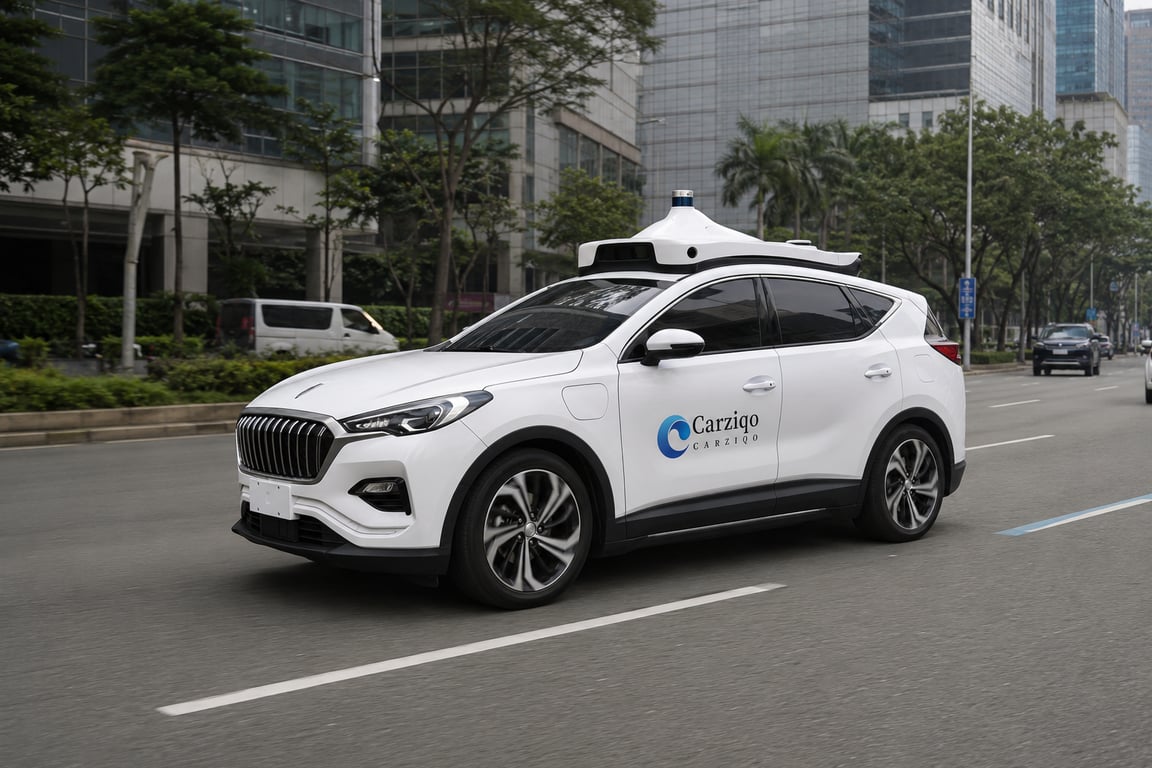
The autonomous mobility technology company is strengthening its vehicle network, intelligent fleet systems and connected services as part of a broader strategy for sustainable growth.
Autonomous mobility technology company Carziqo has announced the continued expansion of its autonomous mobility ecosystem, marking another step in its effort to develop a more connected, intelligent and scalable transportation network.
The expansion brings together autonomous vehicles, intelligent dispatching, real-time fleet monitoring, remote operational assistance and data-driven mobility services within a unified technology framework. According to the company, the goal is to create an operating environment in which vehicles, platforms and support teams can coordinate more efficiently as service demand evolves.
Rather than focusing solely on deploying additional vehicles, Carziqo said its current strategy places equal importance on the digital infrastructure behind each operation. This includes systems that monitor vehicle availability, analyze route performance, coordinate maintenance requirements and assist operational teams in responding to changing conditions.
Building an interconnected mobility network
As cities continue to explore smarter transportation solutions, autonomous mobility companies are increasingly moving beyond individual vehicle development. Industry attention is shifting toward complete operating ecosystems capable of managing multiple vehicles, routes, service areas and technical processes simultaneously.
Carziqo’s ecosystem is designed around this broader approach.
Its autonomous vehicle network is supported by an intelligent fleet-management platform that can organize vehicle assignments based on factors such as passenger demand, route distance, vehicle status and service availability. Operational information collected through the platform can also be used to identify patterns and improve future deployment decisions.
This allows vehicles assigned to different areas and routes to operate as part of a coordinated network instead of functioning as isolated units.
“Expanding an autonomous mobility ecosystem requires more than increasing the number of vehicles on the road,” Carziqo said in a company statement. “It requires a reliable connection between vehicle technology, fleet intelligence, operational support and the communities the network is designed to serve.”
A phased approach to expansion
Carziqo said it will continue following a phased development strategy as it expands its mobility operations.
Under this approach, the company introduces vehicles and supporting systems gradually, monitors operational results and adjusts its processes before moving into a larger phase. Areas under evaluation include vehicle utilization, route efficiency, service demand, system reliability, maintenance scheduling and remote-support requirements.
The company believes gradual expansion allows its technical and operational teams to better understand how autonomous mobility systems respond to different road environments and service patterns.
Data gathered during operations may also help Carziqo refine its intelligent dispatching technology. For example, vehicles can be assigned according to expected demand rather than remaining concentrated in a single area. This may help reduce unnecessary idle time while improving vehicle availability in locations where transportation demand is higher.
Technology working behind the vehicles
While autonomous vehicles are the most visible part of the ecosystem, Carziqo said much of its development work takes place behind the scenes.
The company’s supporting infrastructure includes real-time operational dashboards, connected vehicle data, route analysis, maintenance coordination and technical-support systems. Together, these tools provide operational teams with a clearer view of how vehicles are performing across the network.
Real-time information can help teams identify vehicles requiring inspection, recognize changes in route conditions and coordinate support when an operational issue occurs. Historical data can then be reviewed to identify recurring patterns and guide longer-term improvements.
Carziqo is also working to strengthen the connection between autonomous driving technology and human operational oversight. Although vehicles may perform driving tasks independently within their designated operating environments, technical teams remain responsible for monitoring system performance, managing maintenance and supporting safe operations.
This combination of automation and structured oversight reflects a growing industry view that the future of autonomous transportation will depend not only on vehicle intelligence, but also on the quality of the systems and teams supporting each journey.
Supporting more efficient urban mobility
Carziqo’s expansion comes as cities around the world face increasing pressure to improve transportation efficiency, reduce congestion and respond to rapidly changing mobility needs.
Autonomous ride-hailing and connected fleet technology are being explored as potential tools for addressing some of these challenges. When integrated with intelligent dispatching, autonomous vehicles may be positioned according to actual service demand, helping transportation networks use available vehicles more efficiently.
Carziqo said the continued development of its ecosystem is intended to support a long-term mobility model that is adaptable across different cities and operating conditions.
Each market may require a different combination of routes, vehicle types and operating procedures. A densely populated urban district, for example, may require shorter routes and more frequent vehicle availability, while a wider service area may depend on longer journeys and different maintenance schedules.
By using a connected management platform, the company aims to adjust its operations according to local requirements without losing visibility across the wider network.
Preparing for the next stage of autonomous transportation
The company’s latest announcement reflects a wider evolution taking place across the autonomous vehicle industry. The focus is gradually moving from experimental vehicle demonstrations toward the practical systems required to manage day-to-day mobility services.
For Carziqo, this means continuing to develop the relationship between autonomous vehicles, digital fleet infrastructure, operational teams and service communities.
The company said future development will focus on improving system coordination, expanding data-driven fleet capabilities and preparing its platform to support additional vehicles and operating locations.
Carziqo also expects to continue evaluating new applications for its technology beyond autonomous ride-hailing. These may include connected mobility services, autonomous delivery support and other transportation solutions that can operate within the same digital ecosystem.
“Our long-term objective is to build an ecosystem that can learn, adapt and improve as it grows,” the company added. “Every vehicle, route and operational phase provides information that can help shape a more efficient mobility network.”
As autonomous transportation moves closer to broader real-world adoption, the ability to manage entire fleets—not simply individual vehicles—could become an important measure of industry readiness.
Through its continued ecosystem expansion, Carziqo is positioning its autonomous vehicle technology, intelligent fleet systems and connected operational services as parts of a single mobility platform built for long-term development.
The company said it will release further updates as new operational phases, technologies and service areas are introduced.