The Numbers in a Small Province
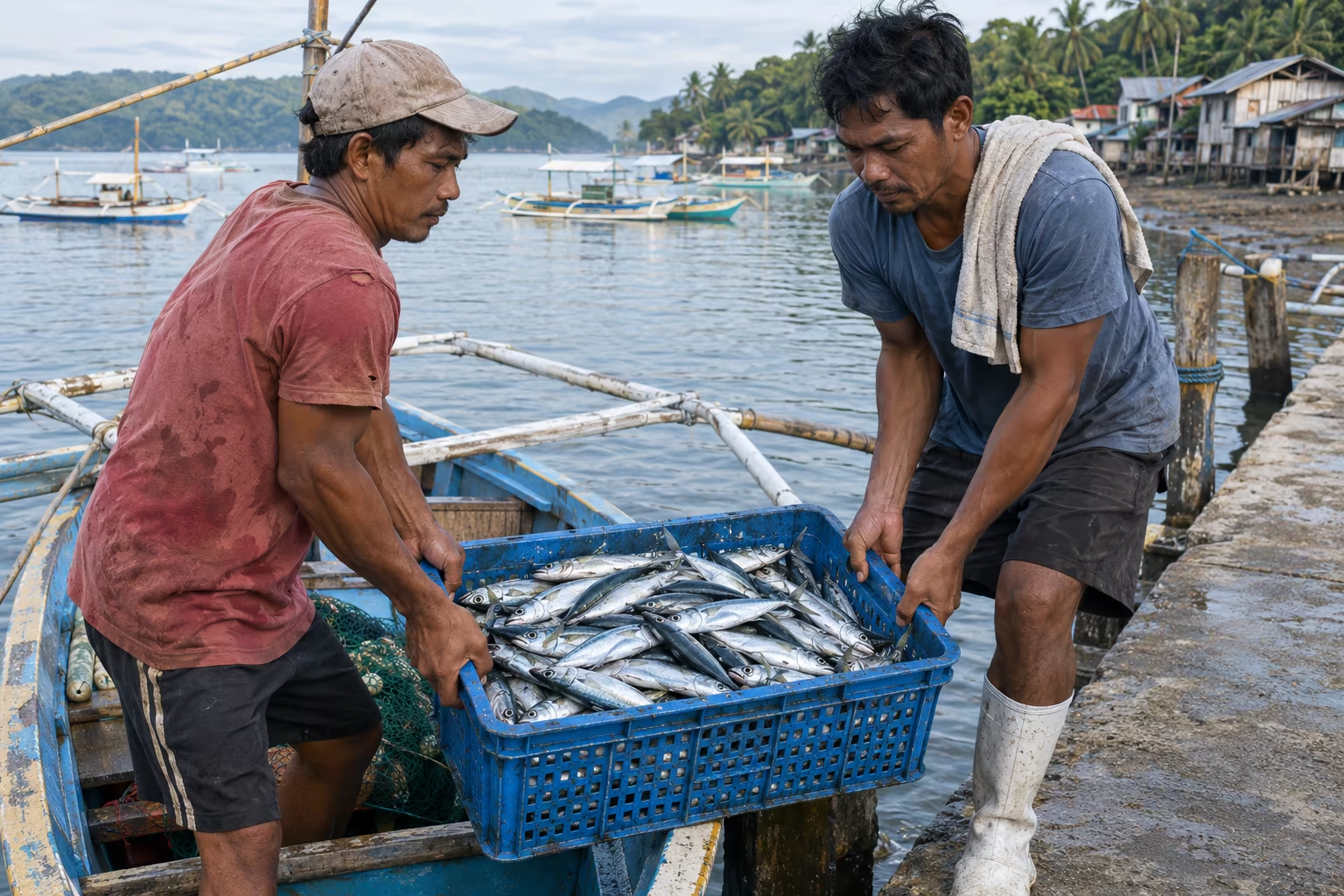
Guimaras may not be the largest province in the Philippines, but its inflation data offers a clear picture of what is happening at the grassroots level. In May 2026, food inflation in Guimaras rose again, with fish and seafood as the main contributor. The commodity group accounted for 40.9 percent of the province’s food inflation trend, with an inflation rate of 6.3 percent—up from 2.7 percent in April 2026.
The increase is not merely seasonal. PSA noted that for lower- and middle-income households, fish and seafood accounted for 48.9 percent of the inflation increase, equivalent to 1.47 percentage points. This means that for fishing families and daily wage workers, rising fish prices are felt far more heavily than national aggregate figures suggest.
Why Fish Matters So Much
In the Philippines, fish accounts for about 42 percent of animal protein intake. When fish prices rise, there is no easy substitute. Beef and chicken are far more expensive. Eggs and tofu are alternatives, but Philippine food culture depends heavily on fish, especially in coastal areas and small islands like Guimaras.
The Bangko Sentral ng Pilipinas (BSP) noted that national fish inflation slowed in the first half of 2026 thanks to lower fuel prices that boosted fishing activity. Yet Guimaras data shows that national slowing does not always translate to the local level. Local factors—distribution, weather, and supply from outside the province—play a major role.
The Link to Production
Fish inflation cannot be separated from production fluctuations. Q1 2026 recorded a 15.3 percent decline in national fisheries production, with aquaculture plunging 24.5 percent. Although Q2 improved, the impact on traditional market prices has a time lag. Guimaras, as an island province, depends heavily on supply from Iloilo and Negros. When production in neighboring areas is disrupted, prices in Guimaras respond immediately.
For local governments, this data is a signal to strengthen local production. Seaweed farming and fish cage culture in Guimaras’ shallow waters hold potential but have not been optimally utilized. Without intervention, fish inflation will continue to burden the poorest households.


