The Rise of Singapore as a Modern Cultural Destination
For many years, Singapore was primarily recognised as a global centre for trade, finance and innovation. Today, the city-state has developed another international reputation: a thriving centre for creativity and artistic expression.
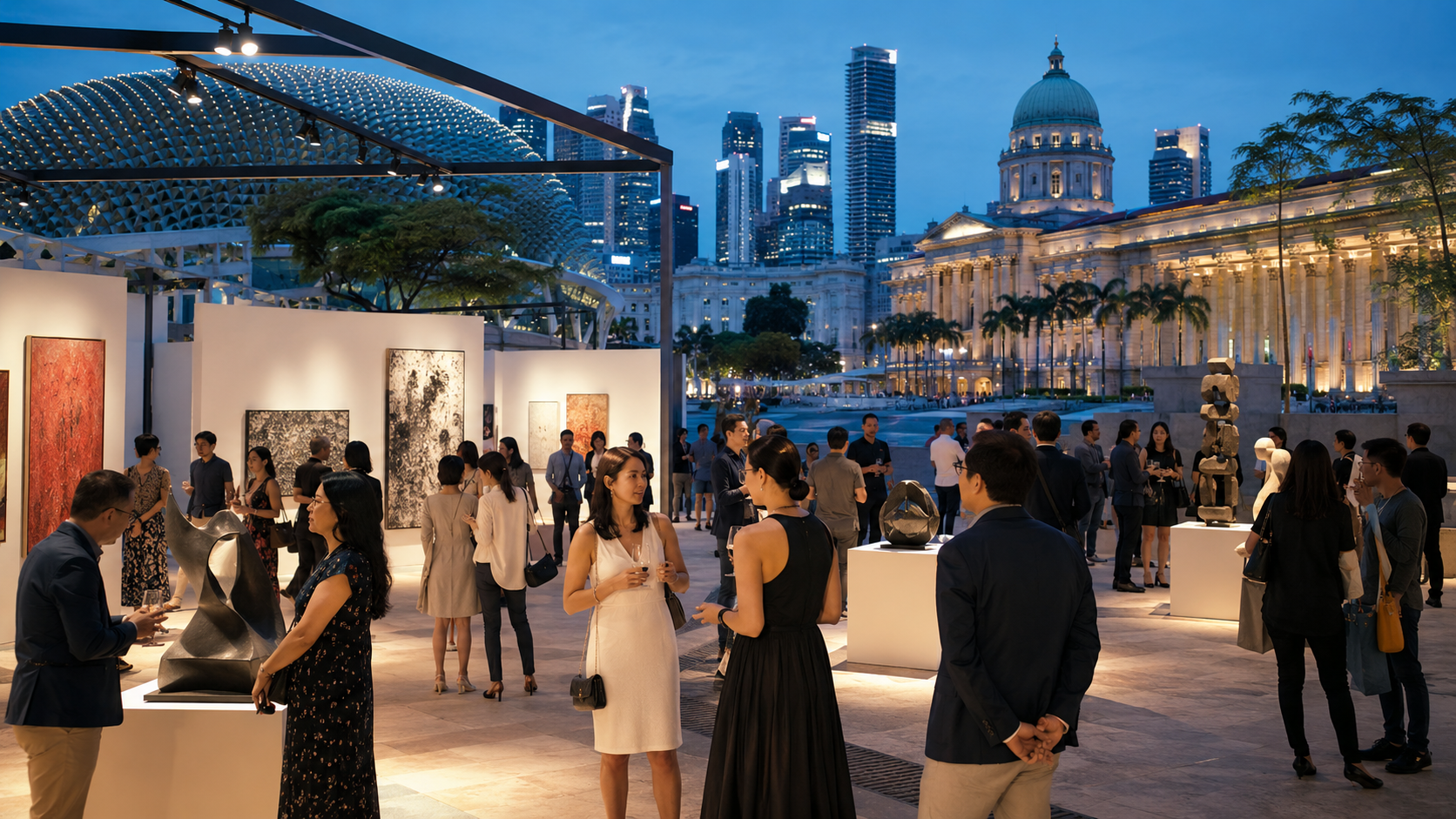
Singapore’s transformation into a major arts destination has been driven by a combination of strategic cultural investment, international partnerships and a strong commitment to developing creative industries. The city has successfully created an environment where museums, galleries, artists, collectors and audiences interact within a highly connected ecosystem.
As Southeast Asia gains greater attention in the global art world, Singapore has positioned itself as a key platform for discovering and promoting regional talent.
Cultural Institutions That Shape Singapore’s Art Identity
A major reason behind Singapore’s artistic growth is its investment in internationally recognised cultural institutions.
National Gallery Singapore represents one of the most significant achievements in the country’s cultural development. The museum focuses on modern art from Singapore and Southeast Asia, offering visitors a deeper understanding of the region’s historical and artistic evolution.
Through major exhibitions and international collaborations, National Gallery Singapore has helped shift global attention toward Southeast Asian artists and creative movements.
Beyond visual arts, Singapore has also strengthened its performing arts ecosystem through Esplanade – Theatres on the Bay. The iconic waterfront venue provides a platform for theatre, music, dance and experimental performances, supporting both emerging creators and established international artists.
The Singapore Art Museum contributes another important perspective by focusing on contemporary art and exploring themes related to society, technology and cultural change.
A Strategic Approach to Creative Growth
Singapore’s arts sector has benefited from a structured development approach supported by national policies.
The National Arts Council Singapore has played an important role in building opportunities for artists through grants, education initiatives, professional development programmes and community-based projects.
The Our SG Arts Plan 2023–2027 highlights Singapore’s ambition to strengthen participation in the arts while creating a more sustainable environment for creative professionals.
This approach reflects a broader understanding that a successful city requires more than economic strength. Cultural creativity contributes to national identity, tourism, education and social connection.
International Events Expand Singapore’s Influence
Singapore’s growing importance in the art world has been reinforced by events such as ART SG and Singapore Art Week.
ART SG has become an important international platform where galleries, collectors and cultural professionals gather to explore contemporary art from Asia and beyond. The event has helped strengthen Singapore’s reputation as a regional marketplace and meeting point for the global art community.
Singapore Art Week creates a wider cultural atmosphere by connecting exhibitions, public programmes, artist discussions and creative projects throughout the city.
The combination of these events creates a unique experience. Visitors can explore commercial galleries, museum exhibitions and independent artistic projects within a short period, making Singapore one of the most accessible entry points into Southeast Asian art.
Singapore’s Role in Supporting Regional Artists
One of Singapore’s greatest cultural strengths is its ability to connect different artistic communities.
Artists from neighbouring countries benefit from Singapore’s international networks, while collectors and institutions gain greater access to Southeast Asia’s diverse creative expressions.
The city’s multicultural population also contributes to its artistic identity. Influences from Chinese, Malay, Indian and global cultures create a unique environment where different traditions interact with contemporary ideas.
This diversity allows Singapore’s art scene to develop a character that is both internationally connected and deeply connected to the region.
The Future of Singapore’s Creative Landscape
Singapore’s journey as an arts destination demonstrates how cultural influence can be developed through long-term vision and investment.
However, the next stage of growth will depend on supporting not only major institutions but also independent artists, experimental projects and emerging creative voices.
A strong cultural centre requires spaces where new ideas can develop and where artists can challenge existing perspectives.
With its established infrastructure, regional connections and global ambitions, Singapore is positioned to remain one of Southeast Asia’s most influential creative hubs for years to come.