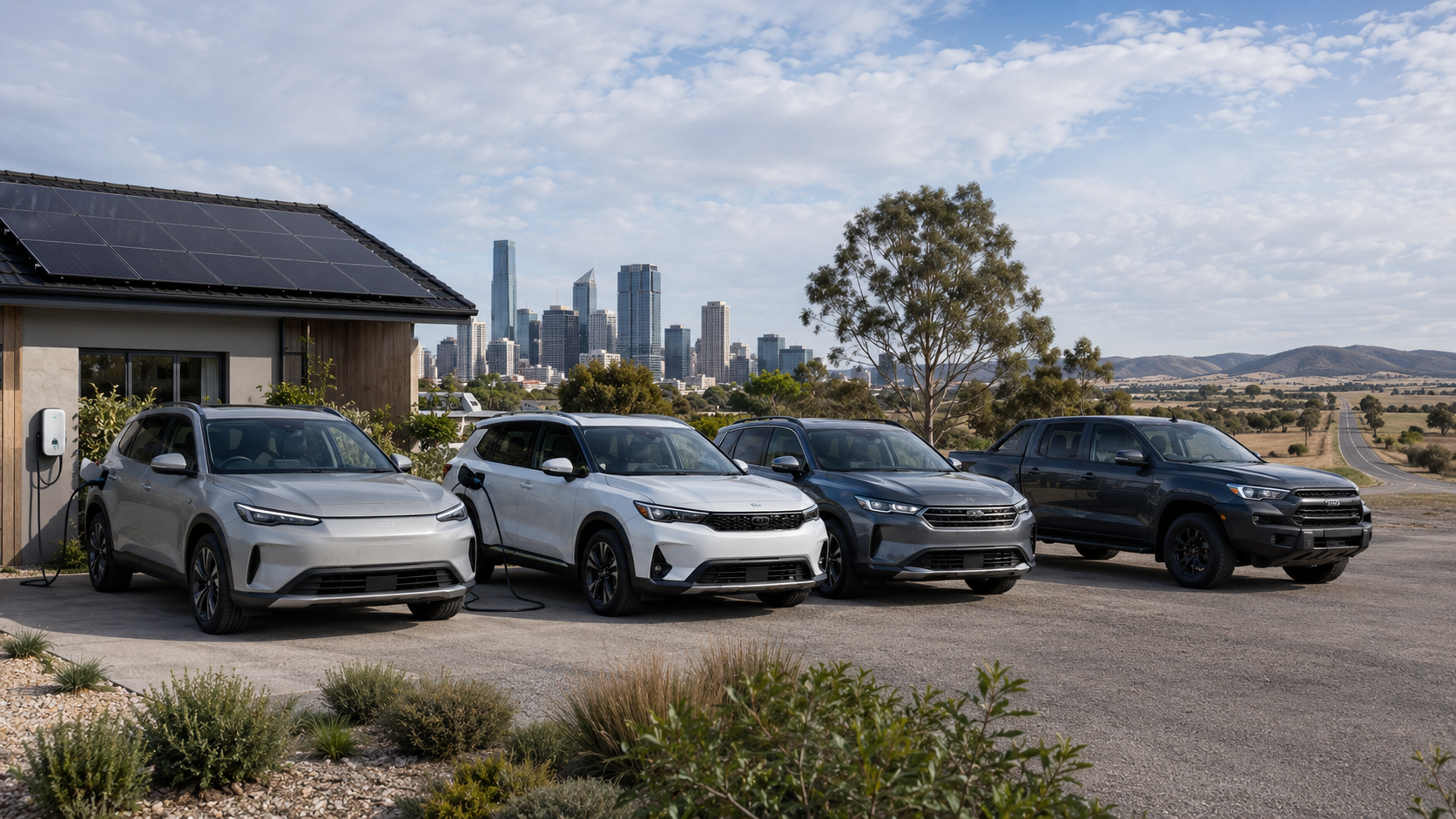
Australia’s automotive transformation is not only happening among private car owners. Commercial transport operators, logistics companies, public agencies and businesses are increasingly adopting cleaner vehicle technologies to reduce operating costs and prepare for stricter emissions requirements.
Electric buses, delivery vans and specialised commercial vehicles are becoming central elements of Australia’s future mobility strategy. Unlike private vehicles, commercial fleets have predictable routes and operational patterns, making them ideal candidates for electrification.
Commercial Fleets Are Leading the Electric Transition
While passenger electric vehicles receive significant public attention, fleet operators often have stronger economic reasons to adopt electric technology.
Businesses that operate delivery vans, taxis or company vehicles can measure fuel consumption, maintenance expenses and operational efficiency more accurately than individual consumers.
Electric vehicles generally have fewer mechanical components than traditional combustion vehicles. This can reduce servicing requirements, particularly for fleets operating thousands of kilometres annually.
Large companies are increasingly evaluating total ownership costs rather than only the initial purchase price.
Although electric vehicles may have higher upfront costs, savings from fuel and maintenance can improve their long-term financial performance.
Electric Buses Are Reshaping Public Transportation
Public transportation is one of the most visible areas of Australia’s clean mobility transition.
State governments across Australia have introduced plans to increase zero-emission buses as part of broader climate strategies.
Electric buses provide several advantages, including lower operating emissions, reduced noise pollution and improved passenger experience in urban areas.
However, successful adoption requires more than purchasing vehicles. Transport operators must also invest in charging depots, electricity infrastructure, maintenance training and workforce development.
The International Energy Agency provides global analysis on electric mobility trends, including commercial transport development:
https://www.iea.org/topics/electric-vehicles
Freight Transport Faces the Biggest Challenge
Heavy transport represents one of the most difficult areas to decarbonise. Australia’s freight industry depends heavily on trucks that travel long distances between cities, ports and regional communities.
Battery-electric trucks are developing rapidly, but long-distance freight requires significant battery capacity, charging infrastructure and suitable operating conditions.
Hydrogen-powered vehicles are also being explored as another potential solution for heavy transport applications.
The final technology mix may vary depending on distance, cargo type and infrastructure availability.
Short-distance urban delivery vehicles are likely to electrify faster because they return to central depots regularly. Long-haul freight will require additional innovation.
Mining Sector Creates Unique Opportunities
Australia’s mining industry provides an important testing environment for cleaner commercial vehicles.
Mining companies are investing in electrification, automation and renewable energy systems to reduce emissions from operations.
Electric mining trucks, autonomous vehicles and renewable-powered mining sites demonstrate how Australia can combine natural resources with advanced technology.
The experience gained from these projects may contribute to future commercial vehicle development beyond mining.
Charging Infrastructure Must Support Business Needs
Fleet electrification requires different infrastructure compared with private vehicle charging.
A company operating dozens of electric vehicles cannot rely on public chargers alone. Dedicated charging depots with energy management systems are essential.
Businesses must consider electricity demand, charging schedules and operational flexibility.
Smart charging technology can help fleets reduce energy costs by charging vehicles during lower-demand periods.
Government support will remain important because commercial charging infrastructure requires significant investment.
Programs supporting transport electrification can help accelerate adoption by reducing early financial barriers.
A New Era of Sustainable Transportation
Australia’s commercial vehicle transition represents a major opportunity to modernise the transport sector.
The future will likely involve a combination of electric buses, battery-powered delivery vehicles, hydrogen solutions and intelligent fleet management systems.
Companies that successfully adopt cleaner transport technologies may gain advantages through lower operating costs, improved efficiency and stronger environmental performance.
Australia’s automotive industry is therefore expanding beyond traditional vehicle sales. The next generation of mobility will be defined by how effectively businesses, governments and communities integrate cleaner technologies into everyday transportation.
The transformation of commercial fleets will become one of the most important indicators of Australia’s progress toward a more sustainable automotive future.