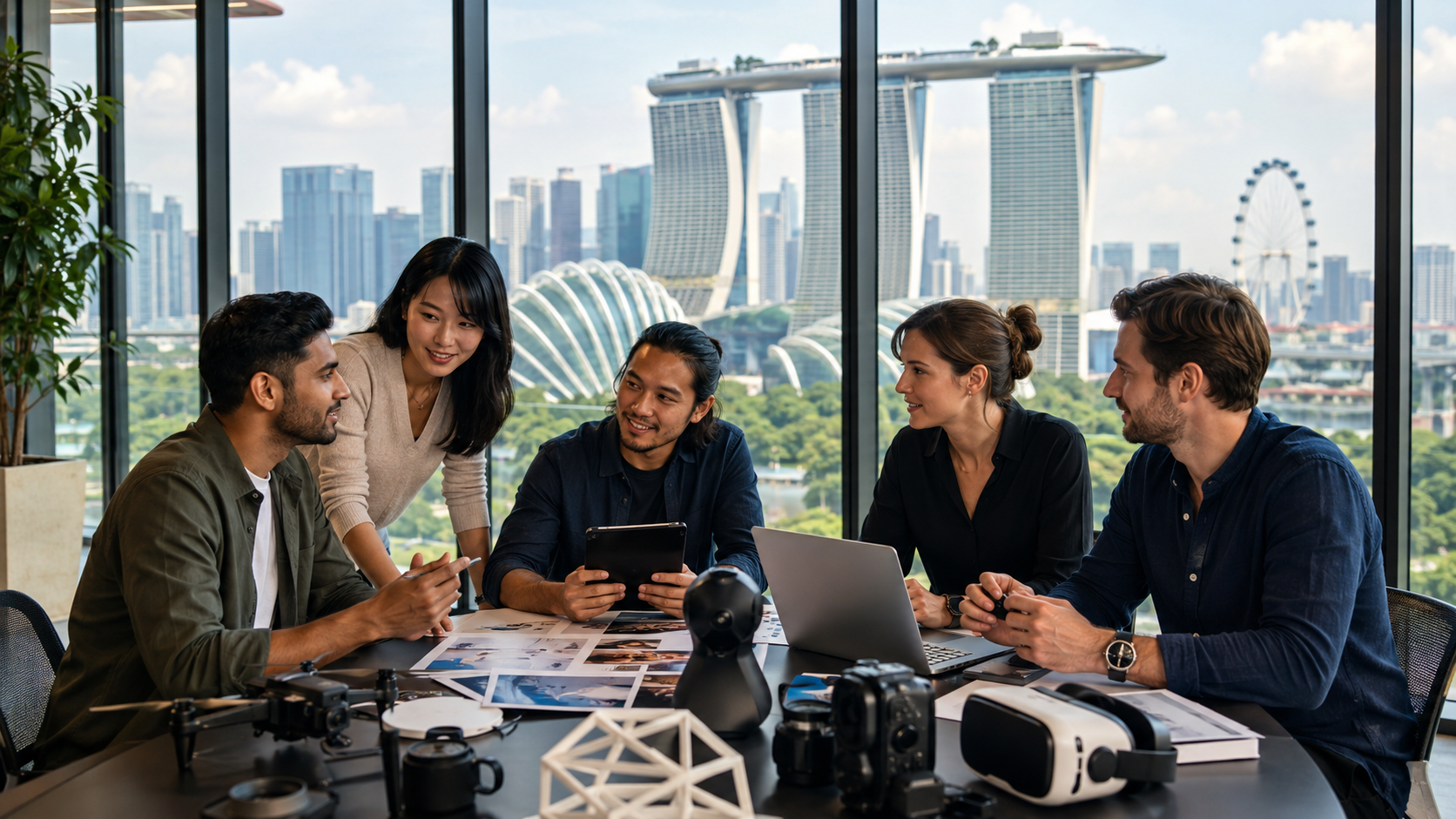
A quiet revolution is stitching together high design and environmental responsibility inside Singapore’s creative district. Across workshops in Jalan Besar and co‑creation labs in the Design Orchard incubator, a new breed of entrepreneurs is proving that beauty, profitability, and planetary stewardship can coexist. Singapore’s sustainable creative startups—encompassing circular fashion labels, biodegradable material innovators, and eco‑conscious digital design studios—are exporting an ethical vision to the world’s most discerning consumers.
Circular Fashion That Rejects the Waste Narrative
The global fashion industry is under immense pressure to decarbonize, and Singapore‑born ventures are stepping into the leadership vacuum. Brands like Anothersole (ethical footwear) and OliveAnkara (slow fashion with African‑inspired prints designed in Southeast Asia) have built international followings by embedding circular principles into their DNA. They utilize deadstock fabric, blockchain‑powered supply‑chain transparency, and on‑demand manufacturing to eliminate overproduction. These companies leverage Singapore’s free trade agreements and DHL’s regional e‑commerce hub to ship carbon‑neutral orders to customers in over 40 countries.
Material Science Meets Artisan Craft
The most exciting frontier lies in biomaterials. Research collaborations between the Nanyang Technological University’s School of Materials Science and creative startups have yielded alternatives such as pineapple‑leaf leather, mushroom‑based packaging for luxury goods, and algae‑derived dyes. The Enterprise Singapore Green Economy Report 2026 notes that creative‑industry patents in sustainable materials originating from the city‑state have tripled since 2023. These innovations are not laboratory curiosities; they are commercial products adopted by European fashion houses and Japanese department stores seeking authentic green credentials.
Digital Design as a Low‑Carbon Economic Driver
Beyond physical goods, Singapore is cultivating a booming sector of digital‑only creative products that inherently carry a smaller carbon footprint. Virtual fashion showrooms, 3D‑rendered furniture for augmented‑reality home‑decor apps, and NFT‑based digital art collections designed by local collectives are generating revenue without the environmental toll of shipping and manufacturing. The city’s robust intellectual property laws ensure that a digital dress designed in Tiong Bahru cannot be replicated with impunity, giving creators the confidence to sell purely virtual assets to luxury avatars in the metaverse.
Consumer Education and the “Buy Less, Buy Better” Movement
Singaporean sustainable creative founders invest heavily in storytelling. They understand that a premium product requires a narrative that justifies its price and ethical stance. Pop‑up exhibitions at the National Design Centre, sustainability‑themed festivals, and influencer collaborations with conscious‑living advocates create a halo that travels efficiently through Instagram and TikTok. This soft‑power approach turns a purchase into a statement of values, allowing Singapore‑based labels to build loyalty in highly competitive markets like Berlin, Los Angeles, and Melbourne.
The synergy of cutting‑edge material science, a digitally native mindset, and a cultural dedication to quality over quantity positions Singapore’s sustainable creative sector as an export engine that runs on meaning as much as on margin.